Beijing is, as expected, absolutely huge. It has the most extensive metro system in the world and that says it all. The metro will be your best (and very affordable) friend if you want to pack the main attractions within 5-6 days of reasonably paced sightseeing.
You pay depending on the distance travelled and you will have to choose the destination station from the ticket vending machine. Keep the ticket as you will need it to leave the station.
I suggest you start from the Center and work your way outwards of the city. This will allow you to become familiar with the city and it’s transport system before venturing out. The most important site outside the city is the Great Wall and I suggest to leave aside one day to enjoy this World wonder. There are several sections of the Wall you can reach from Beijing. Some are fully reconstructed, others crumbling. The closer the section, the more crowded it will be. More on this later.
A one week itinerary in Beijing:
Day 1: Tian’anmen square and the Palace Museum (aka Forbidden City)
Tian’anment sqare has a major role in the modern day China and it will give you a first glimpse into the grandour of its imprial past as well as the present ambitions. As you enter the square via one of the underground passage ways, you will see the Gate of Heavenly Peace located to its North, separating it from the Forbidden City. On the right sides of the square, you will find: the Monument to the People’s Heroes, the Great Hall of the People, the National Museum of China, and the Mausoleum of Mao Zedong. Of these, only the National Museum can be easily visited. The People’s Great Hall functions as the meeting place for the full sessions of China’s legislative bodies and the Communit Party sessions. The building and its main “Great Auditorium” is open to the public as a tourist attraction when it is not in use. That is something to check once you know exactly in whcih days you will want to visit.
If you are passionate about history, then the National Hystory Museum would probably be the only pace you will want to visit. You should allow for at least half a day as the exhibit space is huge, only rivalled by the Louvre in Paris. The museum, covers Chinese history from prehisroric artefacts of 1.7 million years ago to the end of the Quing Dinasty. You will see many precious and rare artifacts not to be found in museums anywhere else in China or the rest of the world. Of course, if ccompanied by kids, this might not exactly get them super excited. What would work better is checking the layout of the museum and trying to to focus only on a few exhibitions halls (eg Ancient China) rather than trying to fit too much in your first visit. You will find the currrent exhibitions schedule here.
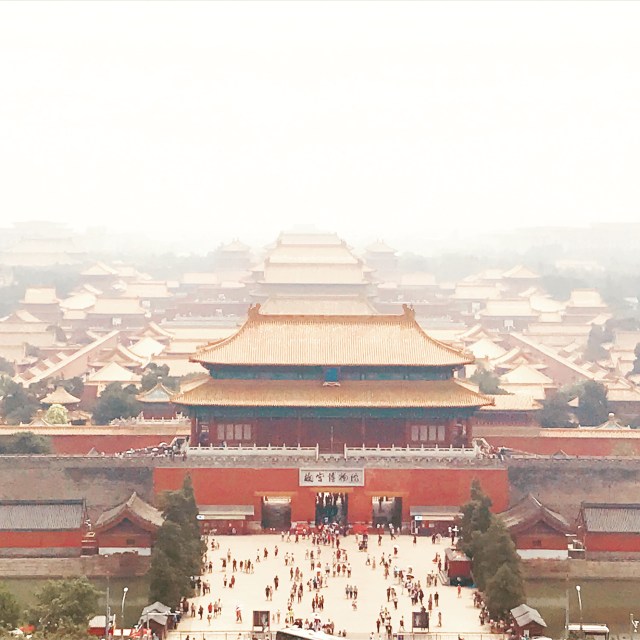
Second on the first day program would be the Forbidden City or Imperial Palace. This palace with its gates, palaces, side buildings and gardens would alone deserve a day of exploration without even sticking your head in every nook and cranny of this formal royal residence. It is no wonder this is a UNESCO World Heritage and one of the most visited tourist attractions. You have to absolutely grab a map from the ticket office as it will show you what side buildings can be visited. Audio guides are also avavialbe after you pick up your ticket but you have to pay a bit extra. This is a very popular plce to visit for school groups as well as tourists (both local and foreign). But it is also extremly big, with alsmost 1 km in length and over 700 m in width so there is plenty of room forthe thousands of visitors. The most popular landmarks are the Gate of Supreme Harmony, Palace of Heavenly Purity (where the throne and residence of the emperor was located) and Palace of Eartly Tranquility (the residence of the Empress). It is a lot to take in, especially if this is the first day after a long flight. My tip would be to focus on the above buildings and a few of the Inner Court palaces that spark your interest (sometimes temporary exhibitions are held in these spaces) and then spend some time relaxing on the last section of the complex, the Imperial Garden.
The Palace Museum is limiting the daily number of visitors to 80,000, and recommending both individual visitors and tourist groups book tickets in advance online (booking address: https://gugong.ktmtech.cn). Foreigners are required to provide passport numbers during the online booking. The ticket price is 60 Yuan during Summer months.
If you still have the energy (athough I would perfecty understand if you do not, especially in the hot Summer months) allow for one hour stroll in the Jingshan Park. You can also leave this for later in your your ininerary (see Day 3 below) as it is in the same part of the city as the extensive Beihai park and The Drum Tower, a great place to excape the crowds. The main draw of Jingshan is that it is located on a hill. That means, amazing views over the Forbidden city from a high point. Some of the most iconic photos of the Forbidden city are taken from here. Of course, you would need to get lucky with the weather and the polution levels in Beijig that may cast a complete fog over the expanse of the Imperial Palace.
Day 2: The Temple of Heaven and Dashilar hutong, visit the Tongrentang
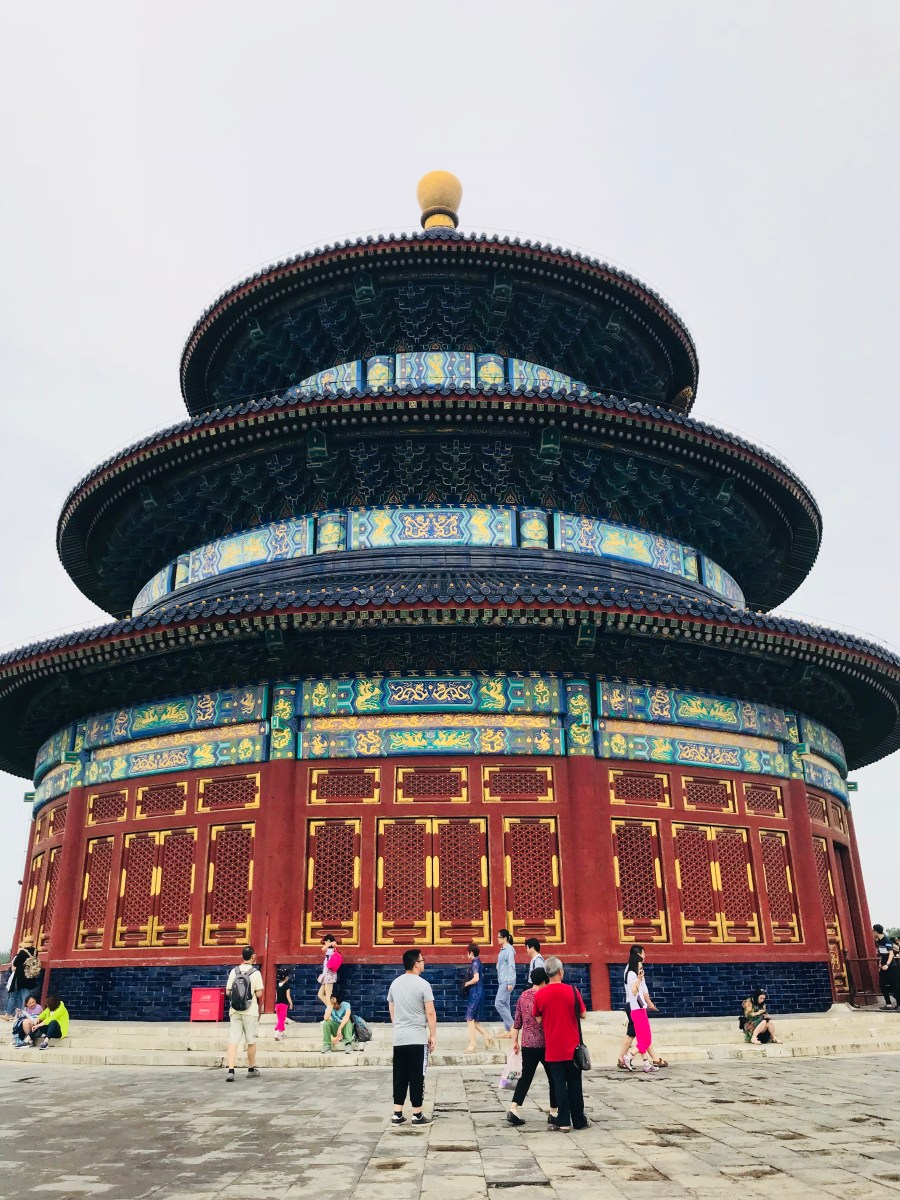
Today, head south of the main city axis (Changan Street) and start bright and early at the Temple of Heaven, another UNESCO world heritage site. These are actually several temples spread out in a huge park and a map is again necesary to find your way around the 2,7 square kilometeres of the complex. Leave at least 3 hours to stroll around, admire the beautful rose hardens, halls and the constructions.
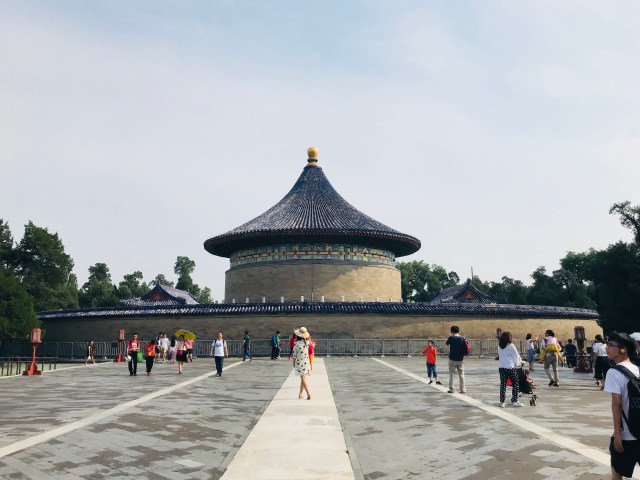
There are also playgrounds and areas for exercise for all ages so it is a favourite for local families. The park itself only carries a nominal charge but the separate buildings have a separate tickets that you have to buy upon entrace. You may be asked for your passport or ID card when purchasing a ticket so it is a good idea to keep one with you. The park is open till 10 PM but the buldings (like the Hall of Prayer and Round Altar) close at 17h30 and tickets stop selling one hour before closing. This is a lovely place to spend half a day with the kids, as you can alternate between the temples and the play areas, keeping everyone happy.
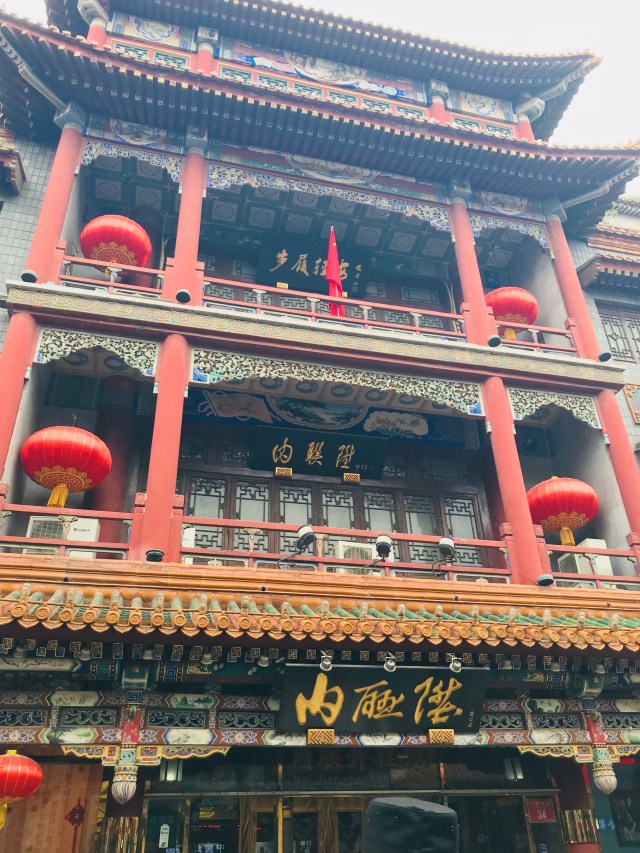
After the park is time for some retail therapy on Dashilar street, one of the traditional old China shoppping streets. Even if not interested in shopping, it is still worth a quick trip as the facade of many of the shops is still the original one so the atmosphere is quite unique. A special place on the street is the Tongrentang, or one of the big 4 brands of traditional chinese medicine pharmacies still in existance. Many local and foreign tourists will visit this pharmacy to buy traditional medicine (there are pre-packaged ones for hair loss, high blood pressure. etc) and to visit the free exposition on the first floor where you can see the value of an old ginseng root, at the basis of many Chinese medicines.
If you want o grab some traditional Beijiing duck, stop at Goubuli Steamed Bun Shop & Roast Duck Shop on the same street for a quick lunch or early dinner before starting to browse the shops. Otherwise, enter Zhubaoshi Hutong where many resturants are scattered. You can continue your exploration of the old neighburhood by following Qianmen Street with similar stores and atmosphere.
Wind down the day at Soloist caffee on Qianmen street. You can spend the entire afternoon lounging around, listening to jazz, and appreciating an attention to detail that extends from American lockers and lamps from the 1920s, to ornate Chinese cinema chairs from the 1980s and a piano from England also from the ’80s. The space itself was a public bathhouse in a previous life.
Day 3: Drum and Bell Towers (Gulou Street Metro Stop) and more Hutong exploration in Shija Hutong and the Hutong museum (metro stop Dengshikou). Visit the Beijing opera.
This area is located to the North of Forbidden City and Jingshan Park. If you have not visited the Park on you first day, you will have more time for it today, together with the popular Beihai Park with its scattered small houses.
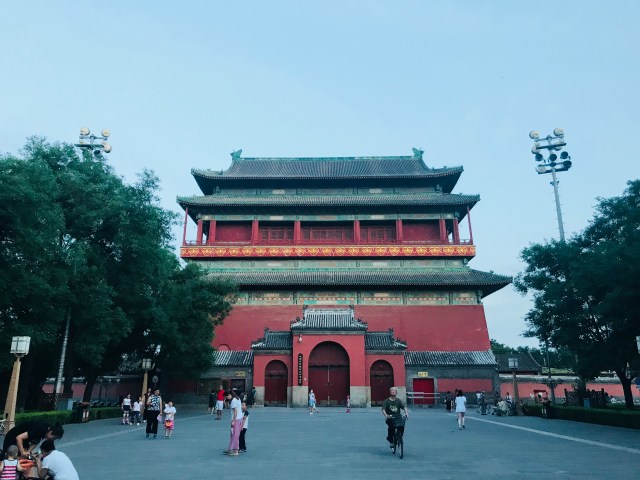
After the park, head to the Drum and Bell Towers, the former time announcing Center of the capital. Both towers are within a walking distance of Gulou Metro Stop and surrounded by a wonderfully preserved Hutong neighbourhood. You can enter by Doufuchi Hutong and work your way to the Towers. Every hour from 9:30am to 4:30pm (except 12:30pm) there is a drum perfermance that takes about 20 min you can assist to by visiting the Drum Tower. The Drumming show is 10 CNY and entrance to the Towers another 10 CNY.
After you visit, walk back to Jiugulou Dajie street at no 141 to sample some great Vietnamese food at Le little Saigon. It is a small place and very popular with both locals and tourists.
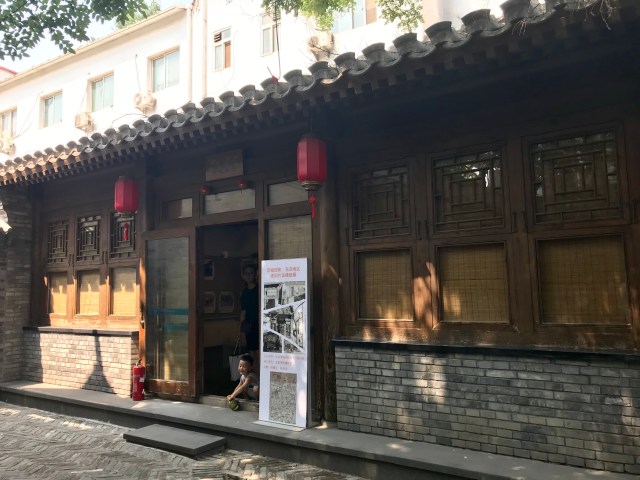
In the afternoon, either continue walking South- East or take the Metro to Dengshikou. In a short walk you will reach the Shija Hutong and, at number 24 the Hutong Museum. This compact museum will be your best chance to see the layout of a Chinese traditional Hutong house and the traditional Hutong life.
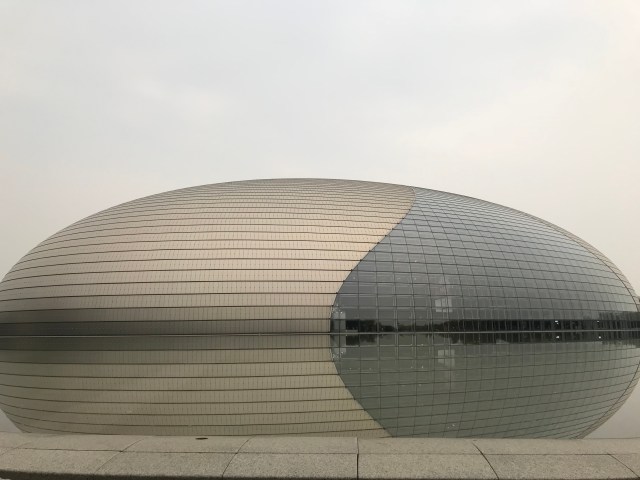
In the evening, if you are not busy putting the kids to bed, consider attending a performance at the Beijing opera. It is a famous venue, both in architecture and quality of performances. Tickets should be bought a couple of weeks in advance if you have some flexibility regarding the chosen show. Allow at least 30 min to reach the building (through an underground passage) pass through security and admire the lavish interior. At the time of my visit, there was an exposition dedicated to the performance of the Aida of Verdi in the lobby. All very impressive!
Day 4: A day out at the Summer Palace (or the Zoo ) then dinner/shopping in Xidan shopping street
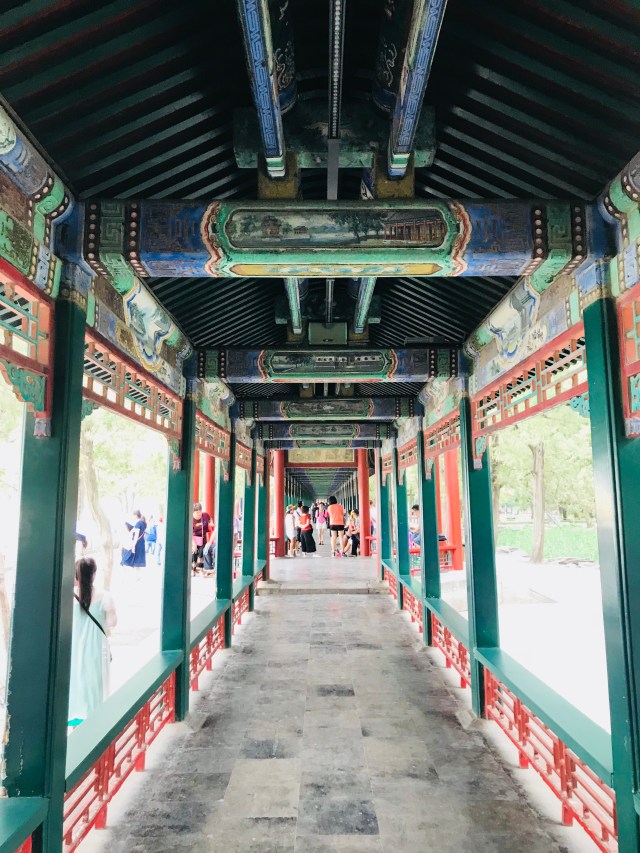
The Summer Palace is quite a long way out the city center. The best way to reach it would be by Metro line 4 to Beigongmen. Alow 30-40 min by Metro one way. From the Metro station count another 5-8 min walk to the entrance. It is a vast area in which you could easily spend a day strolling through the park, taking a boat to the island and visiting the beautifully painted buildings. It is a local family favourite and definetly a place where the kids would enjoy walking around, looking at boats and sailing on the lakes. You will have to be ready to climb several flights of stairs to reach the palaces bordering the lake and some more up the hill. You will find the most updated ticket prices and opeing times here.
If you already visited the Summer Palace or looking for more kid friendly entertainment, consider a stop at the Zoo. Here the main attraction are the Panda House but depending on how much time you have there are a few more animals that you can check out (the Liger Hill housing all sorts of big cats is also a big draw). Entrance is 20 CNY inlcuding the Panda House and it is open in Summer between 07:30-18:00.
With the sightseeing part of the day done, you may consider some shop browsing and dinner in Xidan. You can easily acess Xidan Shopping street by taking the metro line 1 or 4 and getting off at Xidan Station. Follow Exit F1.
The central part of Beijing Xidan Commercial Street is an entertainment square. There are many activity places in the underground of the square, including a cinema, bowling alley, swimming pool and even an indoor rock climbing wall. Also, lots of western restarants in the food courts if you are a bit tired of the local cuisine. By this time, I was really craving pizza and bread in general so was very happy to discover a Pizza Hut in one of the malls. If you want a local alternative, try Hai Di Lao hot pot restaurant.
Day 5: Visit the Great Wall (section Badaling or Mutianyu). Stop at the Olympic Park on your return for a look at the Bird’s Nest.
Badaling and Mutianyu are the two most visited Great Wall sections. When making your decission, have a look here for a good compartive view. In general, if accessibilty is an issue, Mutianyu is the better option as it has a gentle slope. Also the less crowded option. However, you will have to hire a car to reach Mutianyu as there is no public transport there. Badaling can be reached by public bus 877 in 1h from the city ( bus station is about 10 minutes’ walking from Jishuitan subway station Exit B2). In any case, allow a full day for the trip as traffic often makes this a longer journey. Both sections charge adults CNY 40 and free for kids under 1m20 or 6 years. You should bring the passport of your children to demonstrate the age. The cable cart ride will cost 140 yuan both ways for adults and runs till 16h30 in Summer. There is also a slideway/luge to get back down from the wall, with hte same price as the cable cart.
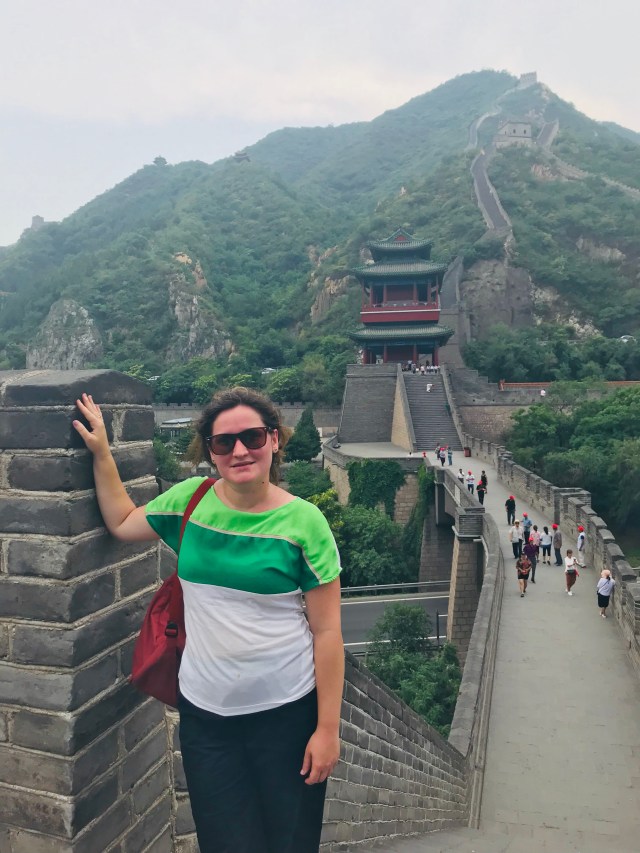
If you are looking for a more off the beaten track experience, I enjoyed a lot Juyongguan Great Wall pass but there are many, many high steps to climb. Even for fit adults this will get exhausing in the Summer heat so bring your most comfortable shoes. The West section is the steepest but the East section is also quite challanging so allow for plenty of time and bring a hat.
At 37 miles (60 kilometers) away from downtown Beijing, this is the nearest section from the city proper so worth to consider if you are very short on time. Entrance is 45 yuan for adults and children over 1.2 meters. If you choose this section, be aware there’s no restaurant in the scenic area. You’d better take some snack and bringing some bottled water.
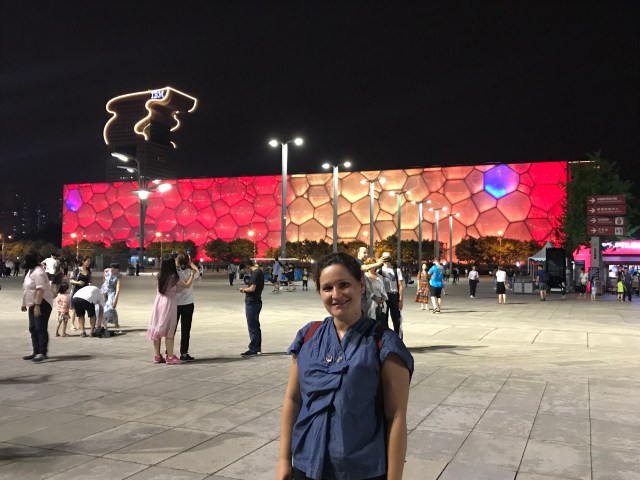
As you will be on the North part of Beijing, this would be the best opportunity to stop at the Olympic Park and check out the famous Byrd’s Nest and Water cube. This works better if you are by private transport as there is no public transport easily accessible. Even if you reach the area shortly before dark, it is full of lights and beautiful to check out for 30 mim- 1h.
Day 6: Tired of classic China, spend the day at the unique 789 Art Zone, evening drinks/shopping in Sanlitun. Check out the city from a rooftop terrace
If the weather is nice and you are looking for more original sightseeing that the classic temples and hutongs, consider a visit to 789 Modern Art Zone. By public transport, take Line 14 and get off at either Wangjing South or Jiangtai stations (same distance to both).
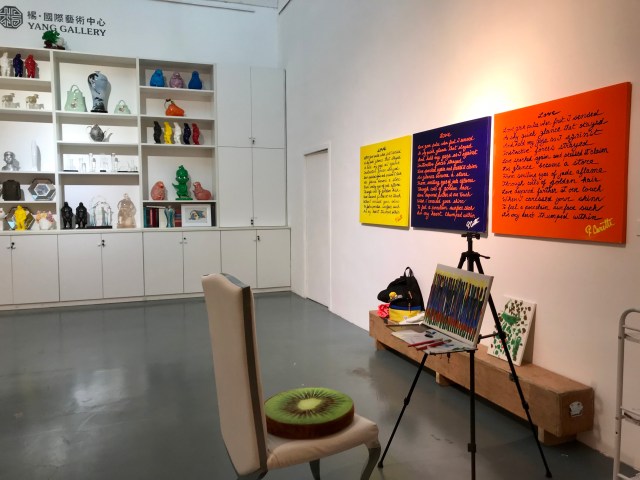
Here you will encounter a neighbourhood with several cross crossing streets peppered with private galleries, small designer shops and western restaurants. Most galleries occupy premises of old factories. Depending on the exhibition, some will charge a nominal fee, others are completely free.
There is modern interior architecture, painting, photos and ceramics. You will sometimes have the chance the meet the artist or see him/her work. One of the main exhibition spaces is named 798 and usually showcases several artists working with a specific technique or around a theme.
The shall shops around the galleries sometimes sell locally made paintings or calligraphy. If you are after a souvenir to frame at home, here you can might find something authentic, even if a bit more expensive that calligraphy available in tourist shops. You should try to bargain if the price is above what you would like to pay or if you are buying more than one piece. For lunch, we went for At Cafe 798 that has all western kitchen staples and gold lemonade. Also, a child friendly location as plenty of room inside.
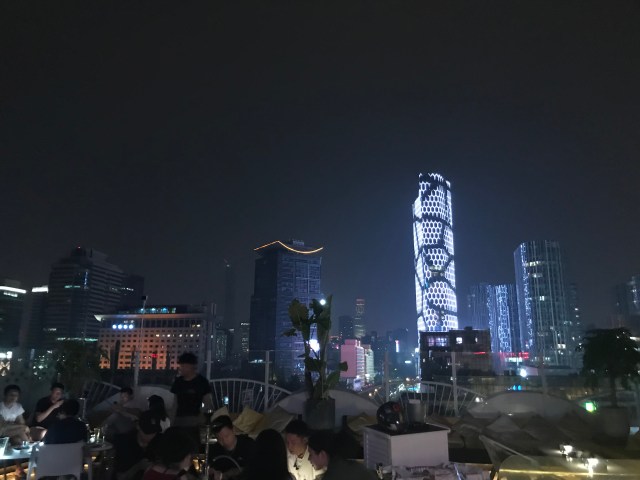
For the evening, aim for Sanlitun, the shining shopping district of Beijing, full with restaurants and bars as well as modern shopping malls. Here I would recommend to go for a rooftop terrace and enjoy some relaxed dinner. A lovely location we found was the Terazza Martini. It had amazing views of the city and tasty western food. Another location to check out if only looking for drinks is Tiens Tiens on Jidianyuan no 4. It is like a green oasis in the middle of a busy neighbourhood.
Day 7: Shop for souvenirs in Wangfujing Street and visit the Wangfujing Snack Street for snacks from all over China, grab a massage
By now you are pretty exhausted of all the walking so I would suggest o focus on a small area and try to absorbe more of the real life as well as shop for some souvenirs. The Wangfujing Street is the perfect spot for shopping as well as eating. It is one of the largest and most well-known shopping streets in Beijing. Featuring a mix of large modern department stores, luxury brand name outlets, small retail shops, and markets. Here you will find a Chinese library, a few tea shops for delicate Chinese green teas as well as well as the Wangfujing Food Mall. This is the place to find native products in Beijing, including snacks, pickles, cakes and even Quanjude roast duck to bring home. Almost all of Beijing’s specialty foods can be bought here.
Finally, do not miss the Wangfujing Snack Street – Don’t be put off by the crispily fried scorpions, spiders, and other oddities, as there are snacks from all over China here and it’s a rare chance to see many of them all together in the one location. Try not to go for a late lunch or an early dinner. During regular eating hours or on holidays it can be extremely busy, esecially the first houndred meters of the street. It gets better as you continue walking.
Finish the day with a vigurous Tui-na/foot massage. You will find many places on your tour of Beijing but the best is to receive a recommendation from your hotel of a center in the area that lives up to foreign standards. English is unlikely to be spoken outside hotel spas so it is a good idea to have a few sentences translated on your phone with the duration, how strong and which part of the body to focus on.
I went for a Dragonfly Center upon recommendation from a friend. This is an award winning spa with superb service and prices to boot. You can book online here in EN which is super convenient. They have a couple of centres in Beijing and in other large cities in China. I visited the one in the embassy district (Yansha). They are opened till about 23h so perfect for an end of the day treat.
If you have more time or this is a repeat visit then you might also want to check out: the extensive botanic garden, the Ming tombs, the Lama Budist Temple and the Capital Museum. For specialised shopping add the Pearl Market (Tiantan Metro stop, East Gate, Exit B) and Silk Market (Yonganli metro stop) to your itinerary.
What are your best Beijing tips? I definetly to go back and see more of this wonderful county. I found Beijing to be the perfect appetizer for an introduction into Chinese culture.
Happy travels!

 Travel Tales and Teddy Bears
Best view i have ever seen !
Thanks!