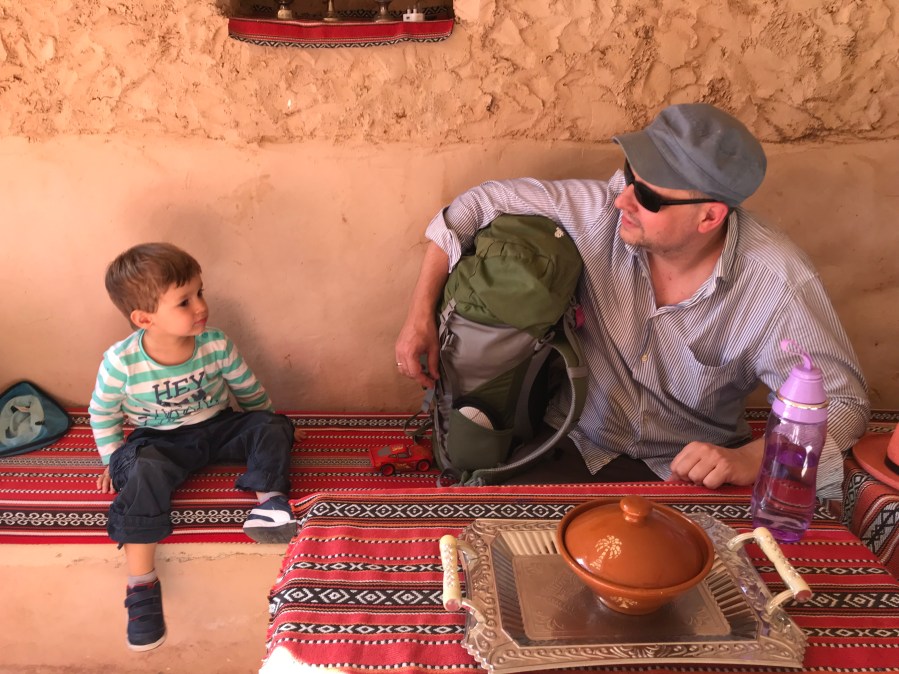
How to prepare for travel to Oman: eVisa, vaccination and car rental

Oman doesn’t require much in terms of preparation. It is a developed country where you will find readily available many travel essentials. It does however require some prior thinking about how you plan to move from one place to another or even within the same city.

Continue reading “How to prepare for travel to Oman: eVisa, vaccination and car rental”

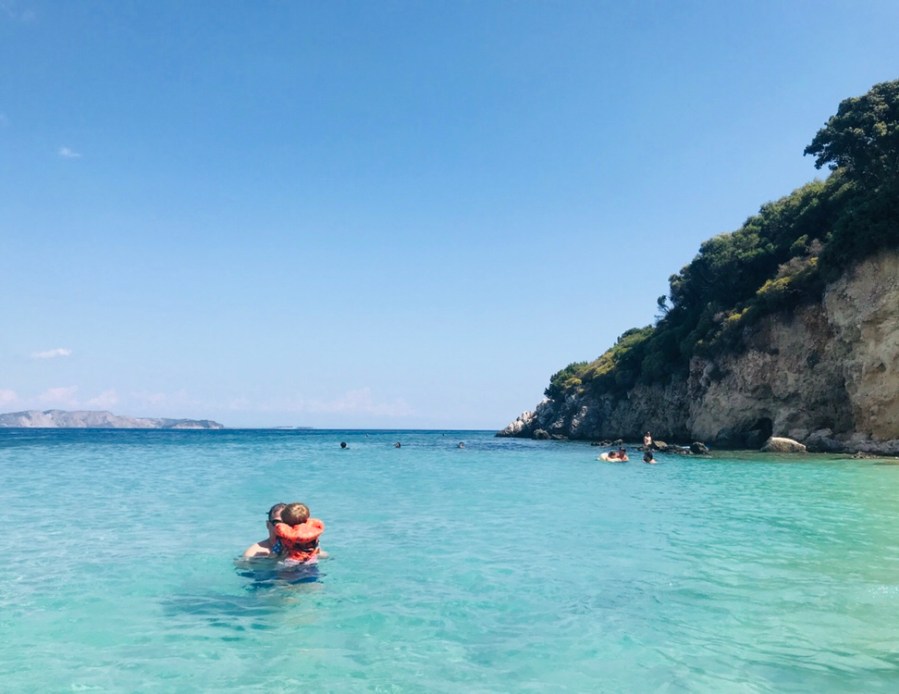
The impossible warm waters of Zakynthos and the best family beaches

The beach is never too far on Zakynthos. Wherever you are on the island, you will have a great choice of beaches, some only a short drive away. We have toured a good number of them in search for the perfect family beach. For us, that is clean sand (with few or no pebbles) and water, smooth self for a few meters and no motor sports or loud bars to spoil the atmosphere.

Here is a short review of of the beaches in Vasilikos and its surroundings, in the order of preference:

Continue reading “The impossible warm waters of Zakynthos and the best family beaches”

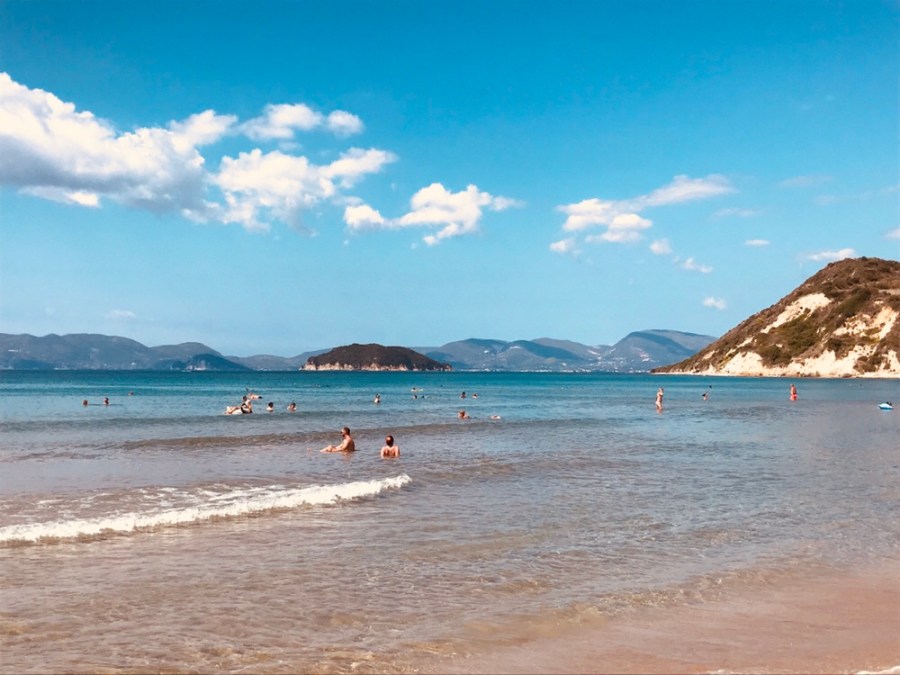
First impressions of Zakynthos – toddler friendly beaches and calm seas

We landed in Zakynthos a couple of days ago and are still in exploration mode. Here are a few orientation tips if you consider this Greek island for you next ‘two plus’ beach getaway:

Continue reading “First impressions of Zakynthos – toddler friendly beaches and calm seas”

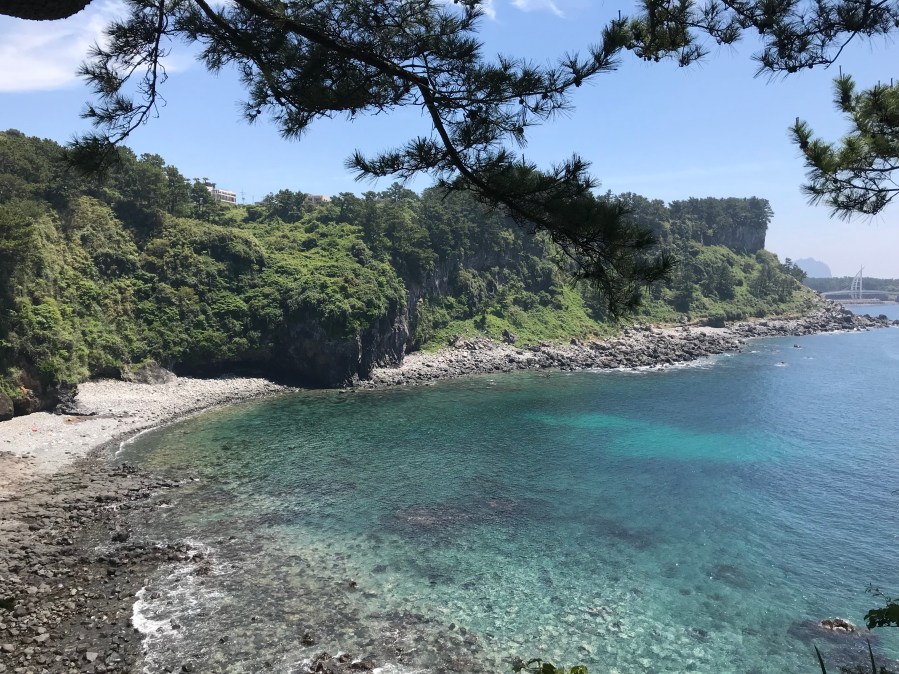
Jeju Island, Korea – All about navigating the Olle Track with a toddler

We arrived in Jeju by plane from Busan. We booked the tickets about two weeks before but there were planes leaving literally every 10 minutes so if you are more of a ‘spur of the moment’ person, there will be a seat for you.

Continue reading “Jeju Island, Korea – All about navigating the Olle Track with a toddler”

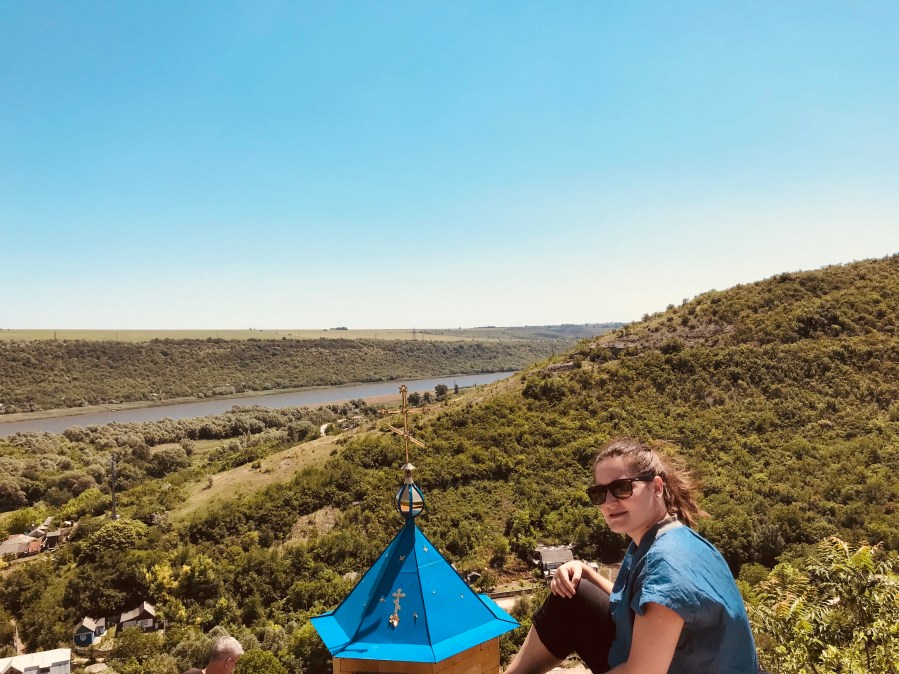
Monasteries and vineyards in The Republic of Moldova – a two day itinerary

The Republic of Moldova is located just East of a homonym region of Romania and is surrounded by Ukrainian borders. It’s not on many people’s travel bucket lists which makes it a pleasantly uncrowded discovery. As it is only a few hundred km away from my hometown, it was only a matter of time for me to get an opportunity to visit.

Continue reading “Monasteries and vineyards in The Republic of Moldova – a two day itinerary”

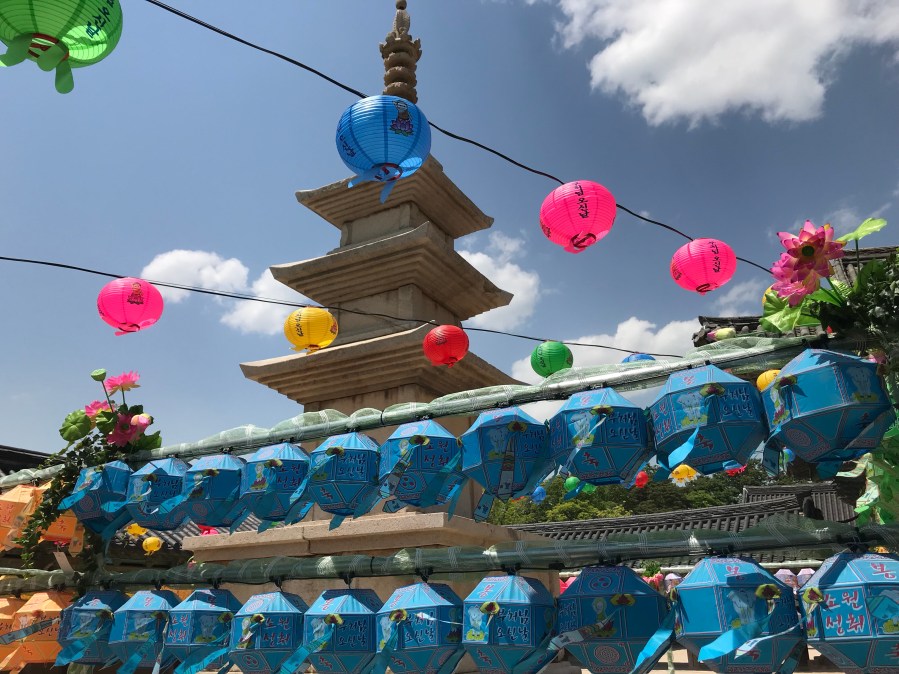
A week in Gyeong ju and Busan – nature, the beach and the hot spring tradition in Korea

From Seoul station, a fast KTX train takes you to Gyeong ju in about 2 h. Adult tickets are 45,000 won and children under 3 are free. There are trains pretty much every 30 min between Seoul and Gyeong ju and a prior reservation is not necessary.

Gyeong ju is dubbed as the Golden City, in commemoration of the golden relics uncovered in the ancient tombs dotted in the area. It is also a UNESCO listed heritage city with a laid back vibe and beautifully preserved temples.

Continue reading “A week in Gyeong ju and Busan – nature, the beach and the hot spring tradition in Korea”

On Cesar Manrique’s footsteps in Lanzarote – original play with the landscape

If you like modern architecture and constructions that blend perfectly in their environment, you should consider visiting some of Cesar Manrique’s creations in Lanzarote. His influence on Lanzarote’s landscapes is still present today. In particular, by limiting the hight of buildings to that of the tallest palm tree and the billboard free roads.

This full day itinerary focuses on the North of Lanzarote. The first part of the day will keep the little ones on their toes. First with an open air exhibition of cactus of all shapes and sizes. Then, a visit of Haria village to walk on palm fringed old streets and run around in the pedestrian area. In the afternoon, the grown ups will take a peek in the life of the great architect Cesar Manrique in his house frozen in time and enjoy the beatiful pools and views in Jameos del Agua. Finally, the mirador will offer a unique view on Isla Graciosa, the island North of Lanzarote.

We did the itinerary from South to North.
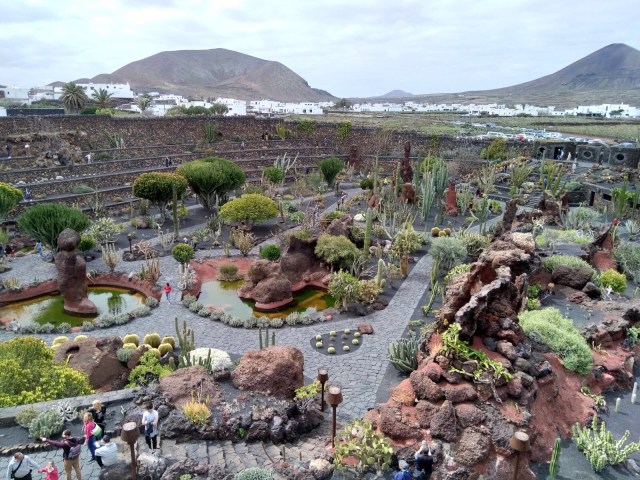
1. Star at the Cactus Garden -Jardin de Cactus. This was actually one of the last works of Manrique.  Jardín de Cactus has around 4,500 specimens of 450 different species, of 13 different families of cactus from the five continents. The green shade of the plants stands out against the blue sky and the dark volcano rock creating a striking explosion of colour that impresses most visitors. A small stream flows in the middle of the garden. Children can admire the huge red fish swimming in the small stream and will have fun looking at all the different cactus shapes. Access by stroller is quite ok for the ground level but you will not be able to climb on the terraces or visit the small windmill. Better have a carrier if the children are not yet walking. Entrance: 6 Euro per adult and children under 7 years are free.

2. Haria city walk and the house of Cesar Manrique. With the children still impressed by the original cactus garden but not yet hungry, hop off the car for a quick visit of Manrique’s house in Haria. This is the house where he spent the last part of his life and is a rather compact structure, accessible by stroller, except myaybe the outside studio area. If you plan to visit also the Manrique foundation in Tachiche, ask for a combo ticket (about 15 Euro). Once the kids start to signal they might soon get feed- up with this museum-house, step out on the streets of green Haria. There is a nice pedestrian area in front of the Haria cathedral where they can run around. You can also stop here for lunch or continue to Arrieta.
3. Stop for lunch in Arrieta. This small village is one of the best places to eat fish on the island. We parked the car and went in El Amanecer to put our name on the list at the bar for lunch. If travelling in high season, it is likely that some waiting time will be involved before a table becomes available. We were told of about 30 min so we used the time to check out the small, sandy and family friendly beach in Arrieta. If your wait is longer, you can take the opportunity for some beach games with the kids or a quick dip in the ocean.  If you are not willing to wait too long, another good recommendation in Arietta where we ate on our last day is a no frills place, just after the village beach, called Casa de la Playa. Great catch of the day grilled fish and sea food. There were many locals when we went whcoh is always a good sign. Both restaurants recommended have high chairs.

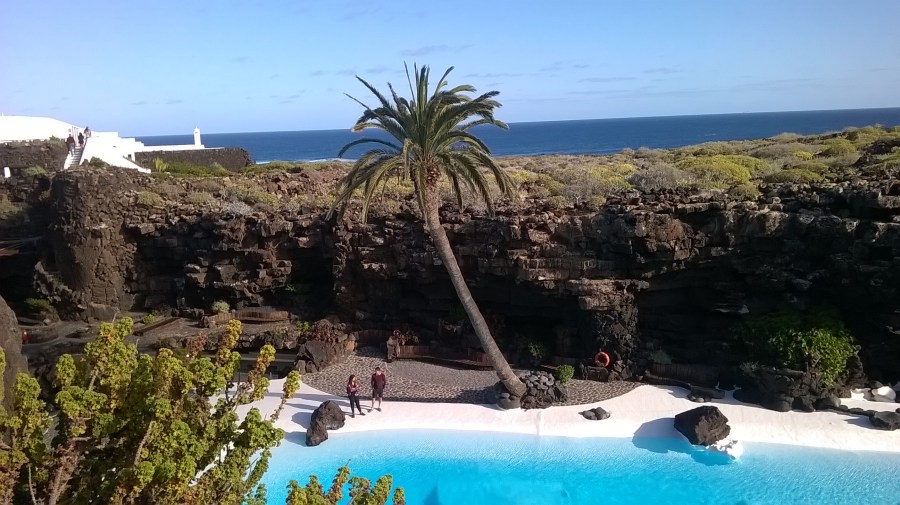
4. Continue north to Jameos del Agua, another of Manrique’s original designs. He used the debris of a volcanic tube with lava flowing from Volcán de la Corona, on the north of the island and transformed it to a series of passage ways and pools. The entire place inspires peacefulness and harmony in the way nature and human creation came together. Birds echoe their songs in the lava caves. Small crabs shine like coins at the bottom of the internal lagoon, connected to the ocean. The place even has  an original Auditorium, unique in the world due to its geological and acoustic features. On the practical side, do bring a carrier if the kids are not yet walking as there are several flights of stairs going up and down the cave. Entrance: 10 Euro for adults and children under 7 can go free.

5. Follow the road to Mirador del Rio, on the tip of the island. Carved into the summit of a 474-metre-high cliff on Lanzarote’s northern tip, the Mirador is almost invisible from the outside. Once you step inside, you find a maze-like sequence of tunnels, with huge windows overlooking the strait between Lanzarote and La Graciosa Island. Entrance fee: 5 Euro per adult.

If you like Cesar Manrique’s works, set aside another half day for the Fondacion Cesar Manrique in Tachiche and Museo Lagomar in Nazaret. They are both great sites although accessibility wise not too easy if you have reduced mobility. There are quite a number of steps and narrow passages. A carrier is recommended.
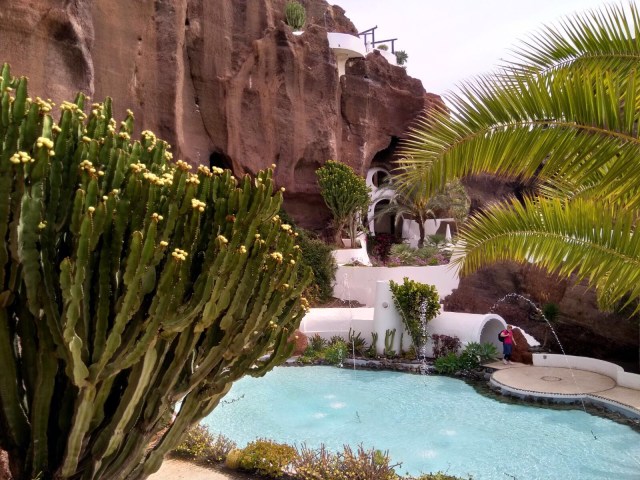
We combined the Fondacion and the lavish Lagomar house with half a day at the beach as the LO was getting a bit annoyed at the grown ups taking him from house to house and up and down an innumerable number of steps. I will include a short list of our favorite Lanzarote beaches in a separate post.

Happy travels!
Timanfaya National Park in Lanzarote – all you need to know for a visit with the kids

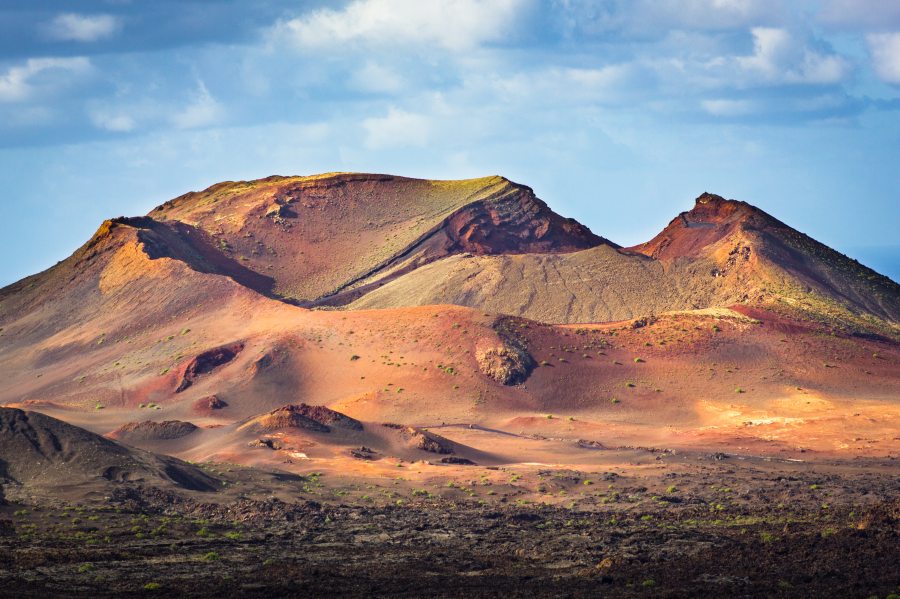
After a failed attempt to visit the National Park on our very first day on the island, we came back prepared. And we are glad we did! The views were great, showcasing the power of nature and changing through a variety of colours from yellows to deep black. The photos barely do it justice. This national park is truly unique in the world.

Most important is to come early and preferably in the beginning of the week. Avoid Sundays, particularly during peak season (Catholic Easter Week and July to August). The entrance to the park opens around 9 AM. You buy your ticket (children under 6 enter free) and continue driving for another 5 min till you reach a marked parking. We arrived shortly before 10 AM and everything worked smoothly. No queuing.

You will leave your car and board a special bus that takes you on a panoramic drive through the park. Buses leave when filled, there is no set timetable. Depending on the arrivals, you might have to wait 10 min or so before the bus is ready to leave.  Do get a seat at the window to enjoy the views and keep the little ones entertained. It is not possible to leave the bus during the drive that will last about 40-50 min. You can use the toilets at the restaurant before boarding the bus.

Take a warm pullover or jacket, especially if visiting first thing in the morning. The difference in temperature can be huge between the first hours of the morning and mid-day. Also, a small bottle of water might come in handy if you do not want to buy one at the restaurant.

After the bus tour ends, do not leave immediately. Just in front of the bus parking there is a semi-circular viewing area where you can take wonderful pictures of the lava fields and crater. Walk till the end of the viewing platform and you will see a grill that works with the underground heat.

In the middle of the viewing platform, park staff demonstrate every 15-20 min the power of the heat coming from underground. They put water in one of the heat evacuation pipes. The water comes back to the surface as steam, in an a motion that looks a bit like a geyser. Small kinds were greatly entertained by this phenomenon!

Finally, have a coffee (and get warmed up) in the circular lobby of the Restaurant designed by Cesar Manrique. You do not need a reservation to visit this part of the restaurant. It is opened in the morning, as early as the first scheduled bus departure. It is recommended to book if you would like to have lunch on the premises.

As a side trip from in the National Park you can take a camel ride. The Echadero de los Camellos in Parque Nacional de Timanfaya is easy to find by car, it’s on the main road from Yaiza LZ-67 as you approach the visitor attraction. Simply turn into the large car park when you arrive where you can see the camels lined up and waiting patiently for their next passengers. There’s no need to book, you can simply turn up at any time between 09:00 and 16:00 for a camel ride. It costs €12 per camel. The camel ride takes around 20 minutes. We skipped it but many (older) kids seemed thrilled after the experience.

The last bus departure in Spring is at 17h. The park closes at 17h45. We left the park at 11.30h and car queues were forming both before the park entrance and to get into the parking.

Enjoy your visit and let me know if you have more tips.

Happy travels!

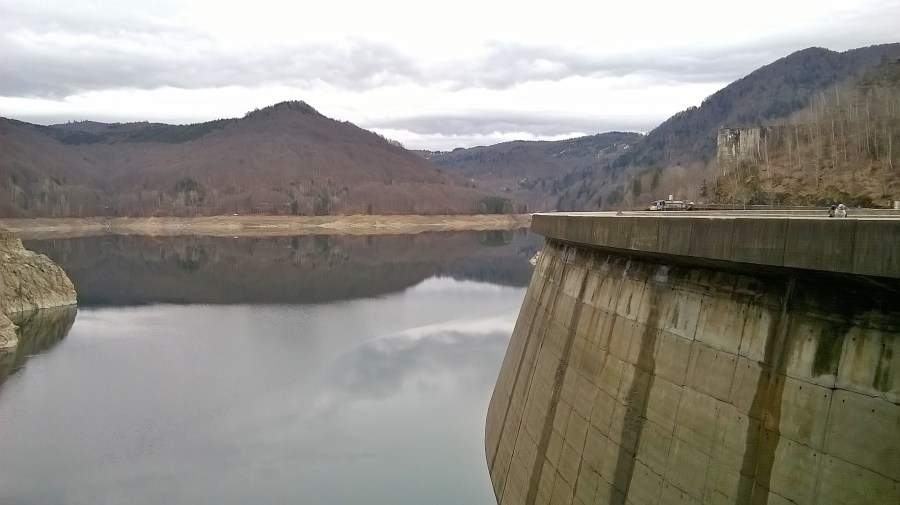
Driving the Transfagarasan, an epic Romanian roadrip

Transfagarasan, the name of the road that links the South part of Romania with Transilvania was made famous in Western Europe by the British TV show Top Gear where it received the title of “best road in the world”. But even before gaining this notoriety, it was considered one of the most spectacular roadrips in Eastern Europe for its hight and beautiful views. Tourists from all over the world are now going to Romania to drive this 90 km stretch of road that goes up to an altitude of 2000 km and crossing the Southern section of the Carpathians.

Continue reading “Driving the Transfagarasan, an epic Romanian roadrip”

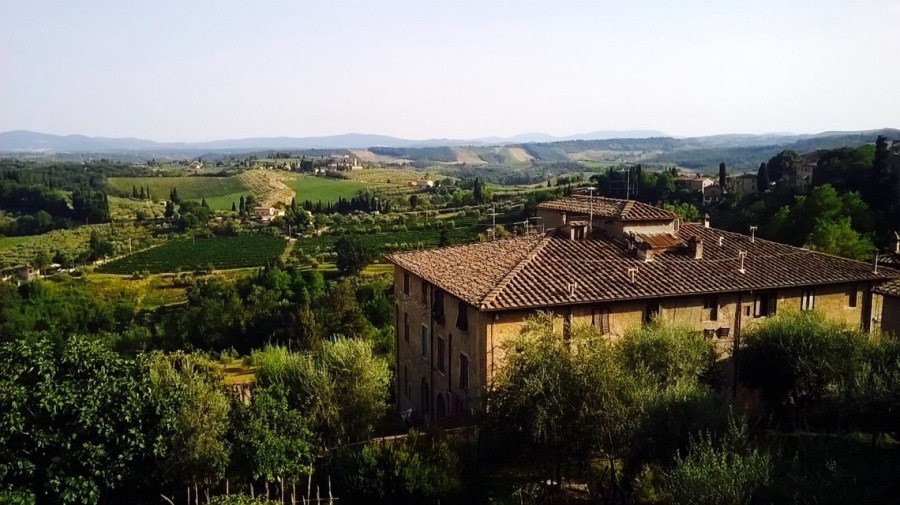
Five days in Chianti, Italy – medieval cities hopping with the baby in tow

Italy is always a sure bet with me. If you read my earlier posts, you already know that I have a love-love relationship with this country that started back in 2004, when I did my Erasmus studies there. Now, fast forward to July 2016, when our LO was 8 months and I was in search of a trip to celebrate my husband’s birthday. I looked in particular for a place outside the city, that has its own vineyard in the midst of green scenery. We had a great experience in Apulia with the masseria stays. (you can read about it here) so I was looking for a similar feel in the North of the country. After a few searches on Tripadvisor and local blogs, I found Salvadonica in San Casciano in Val di Pesa. I then booked our flights to Florence.

Continue reading “Five days in Chianti, Italy – medieval cities hopping with the baby in tow”