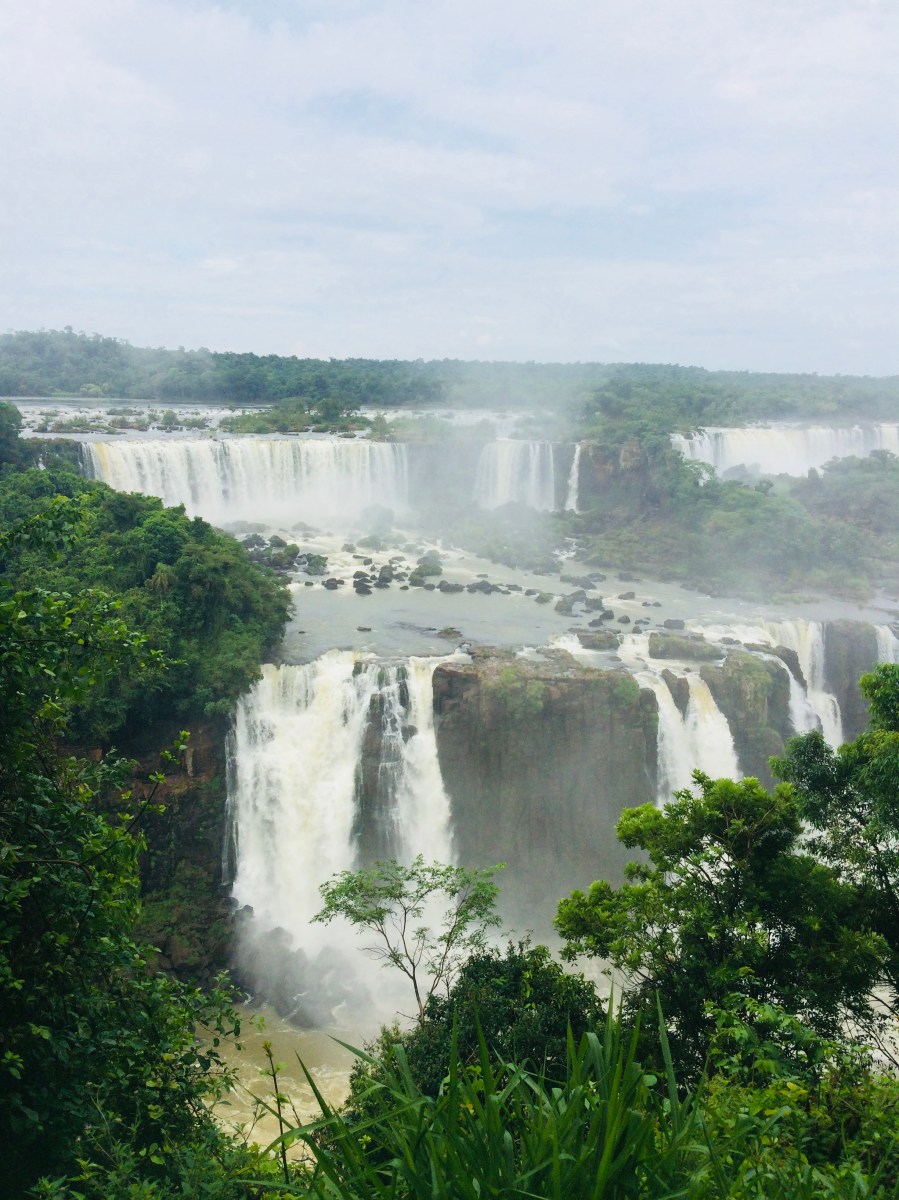
We spend New Year in 2015/2016 at Iguassu Falls, one of the most impressive waterfalls in the World. This was part of a 3 week itinerary in Latin America taking us from charming Buenos Aires to busy Sao Paolo. If you are looking for a Latin American highlights tour, this fast-paced itinerary definitely ticks many of the must sees some off-the beaten path locations in a relatively short period of time.
This was the first time when we used a combination of shared transfers and internal flights to move from one place to another, with the help of a local travel agent. If you need to cover a lot of ground in a short period of time, this is an option that you could consider. The local bus system is affordable for long trips but you need to have the flexibility of missing a few days from your next destination if seats are full on your desired travel day.
Latin America highlights itinerary
Day 1 – Landing in Buenos Aires
Buenos Aires is probably the most cosmopolitan metropolis in South America. Certainly it looks more European than any other in the Americas: wide boulevards, monumental architecture, art deco cafeterias and designer label shops. This seductive city oozes old world atmosphere and nostalgia, with its colonial buildings, antique markets, shady squares and tango halls. That’s not to say Buenos Aires is just stuck in its past – it’s equally vital and contemporary with a vibrant arts scene, top drawer restaurants, ultra-chic boutique hotels and a pulsating nightlife.
We stayed at Kenton Palace Hotel which we recommend for a value option. When we land after a long flight, we try to get to a comfortable place where we can both rest and explore with ease. One of the hotel’s greatest assets is its location: slap bang in the centre of town, a walk away from the main sights, restaurants and bars: the Plaza de Mayo, the San Telmo ‘Bohemian’ and arty district, the flash new port development at Puerto Madero, the main city avenue and the boutiques and eateries of Recoleta are a stroll away. There’s an excellent buffet breakfast and a small range of other meals.
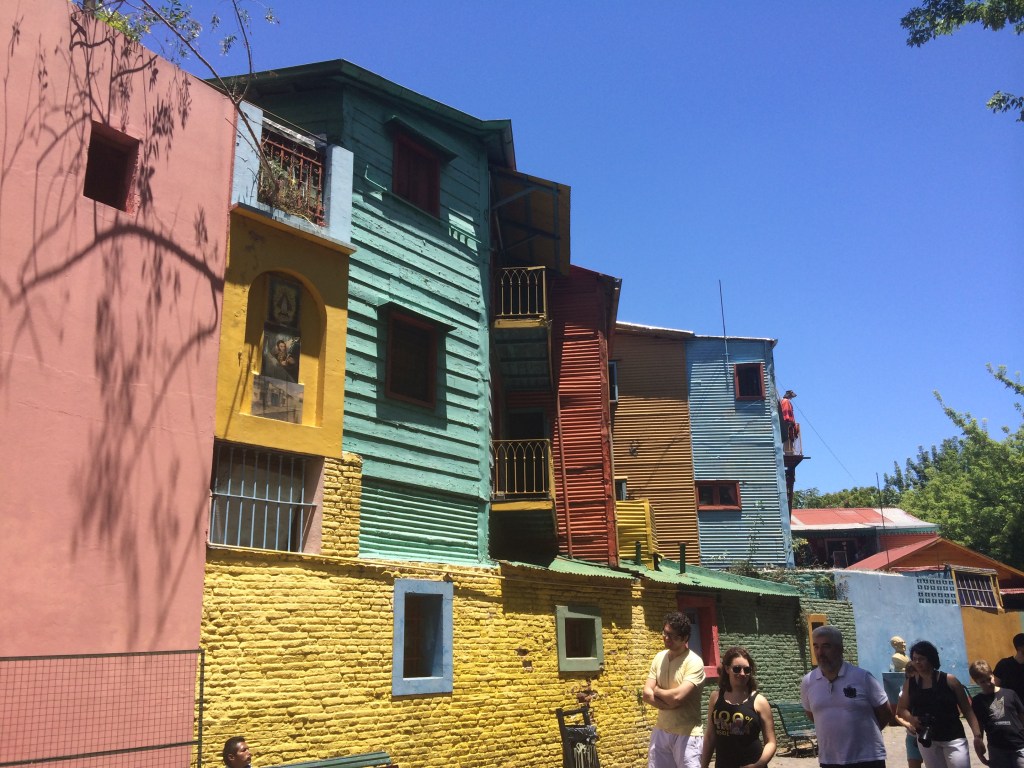
Day 2 – Buenos Aires – city tour: There is so much to explore here. We like to start with an overview of the main highlights before we set out on our own to explore more in depth. We booked a half day city tour with our hotel. It started from Avenida 9 de Julio, one of the widest boulevards in the world and an impressive place to start exploring Buenos Aires. We passed by the Obelisk monument as well as the recently restored Colón theatre. Then the Plaza de Mayo, enclosed on three sides by the Metropolitan Cathedral, the Town Hall and the Casa Rosada, the presidential palace from whose balcony Juan and Eva Peron addressed impassioned throngs of Argentines. We continued along the Avenida de Mayo towards the Plaza del Congreso, where a monument commemorates the abolition of slavery and the declaration of independence. The tour continued to the colourful bohemian barrio of La Boca, which was settled and built by Italian immigrants and has streets lined with brightly painted corrugated iron houses. Finaly, we reached the north of the city and our favourite part. Here is Palermo, an elegant neighbourhood of wide avenues lined with colonial mansions. The city zoo, the botanical gardens and racetrack are all here too. Finally, we visited the artistic district of Recoleta, stopping at the cemetery where Evita Peron has been buried. We spend the afternoon exploring Puerto Madero independently.
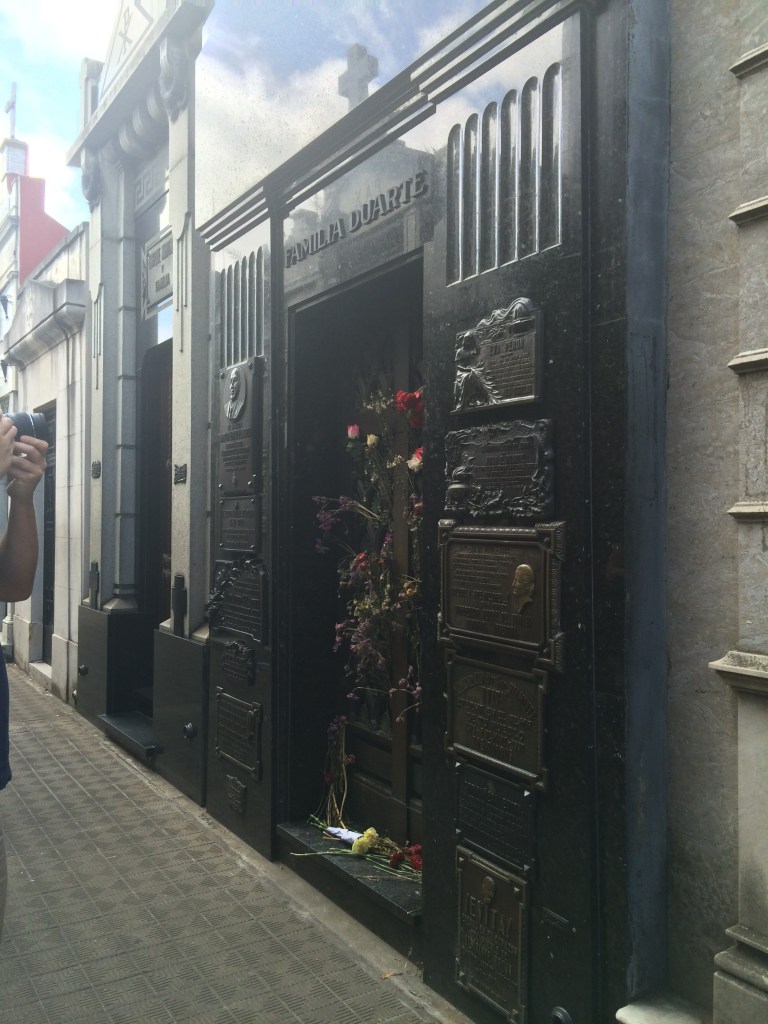
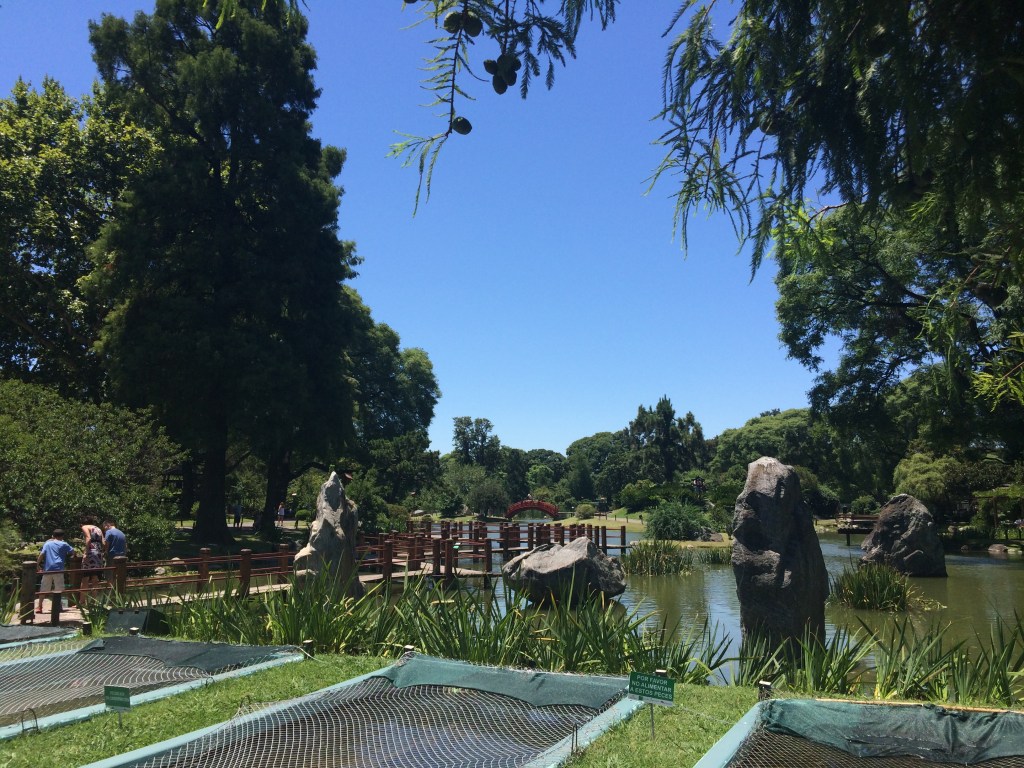
Day 3 Buenos Aires. We spent the morning hours n the local street market. It took place a couple times per week and it occupied almost the entire length of the street where our hotel was located. We returned to Palermo at lunch time and the afternoon and visited the Japanese garden and explored more of the area.
Day 4 – We had a internal flight to Puerto Iguazú. Puerto Iguazú is a small town (and airport) on the Argentine side of the Iguazú Falls. Almost all the falls lie on the Argentine side, where there is a series of boardwalks, although the most impressive panoramas can be seen from the Brazilian viewpoints.
We stayed on the Argentinian side, at Raices Esturion Iguazu (2 nights). It was a good property but not our initial choice. However the hotel inside the National Park was fully booked. This large ranch-style property is set within very nice garden grounds, ten minutes from town, 30 km from the Iguazu Falls and just 100m from the three frontiers of Argentina, Brazil and Paraguay. That was very fun with the phone automatic location adjustment, that keep jumping between Argentina and Brazil 😊. There is also a good-sized open-air swimming pool, tennis courts, small gym and sauna.
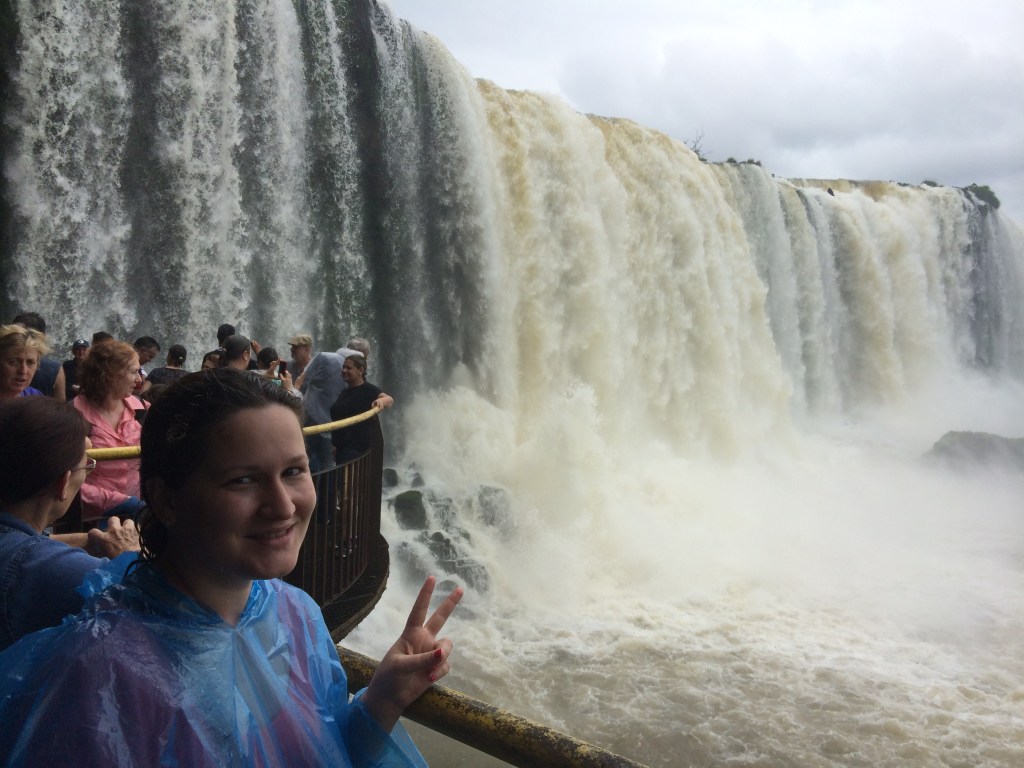
Day 5 – we went for a full-day private tour of the Argentina side of the Iguazú Falls organised with a local guide found on Trip advisor. There’s a brief stop at the National Park Visitor Centre, where there is a display illustrating the biodiversity of the tropical rainforest. From here, a little natural-gas-powered train transfers you to Cataratas station where the Upper Walk begins. This sequence of causeways and passerelles links dozens of tiny, basalt islands at the top of the rock face. These walkways cross the myriad streams of the Río Iguassu as they cascade over the lip of the precipice. A succession of lookout points allows your gaze to follow the water, as it plunges onto the rocks below. You can then continue to the Lower Walk, which involves stairs, and gives you a totally different view of these Falls. Climb back up to the train and continue, about 20 mins, to Devil’s Throat Station. From here, a kilometre-long walkway leads you across the river to the thunderous Garganta del Diablo, which offers a spectacular vantage point peering into the thundering vortex below. The tour lasts around 6 hours and there’s about 3km of walking. Our guide brought us two light raincoats. The spray from the falls is guaranteed to soak you completely.
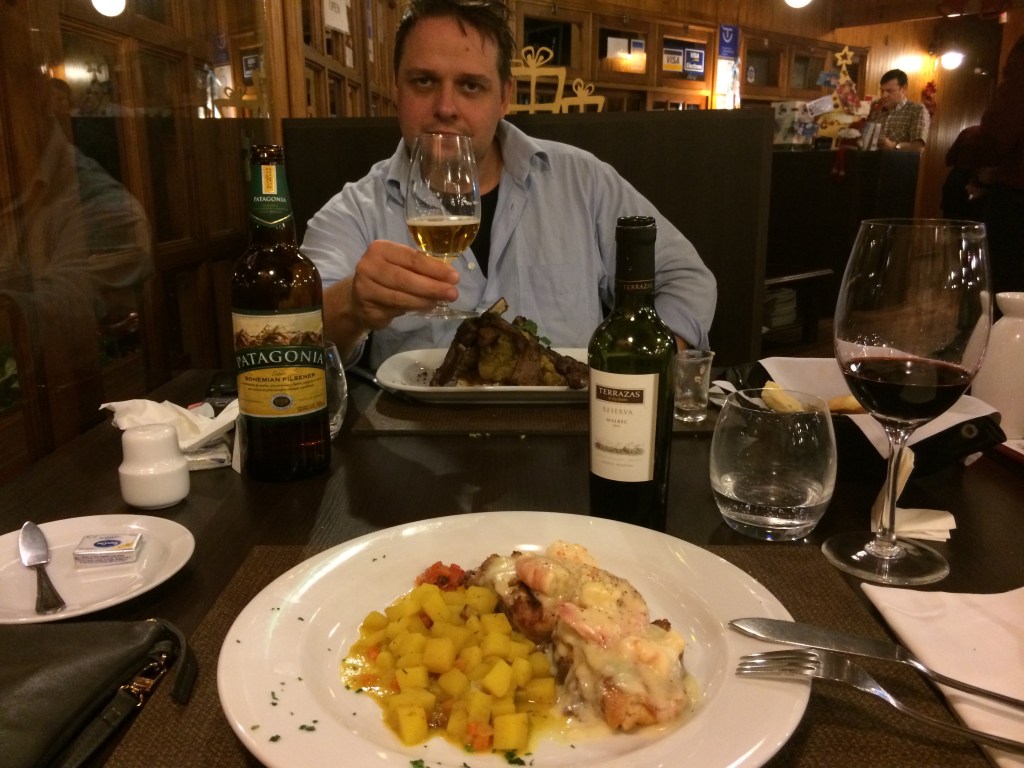
We spent the evening in Puerto Iguassu. It was 31 December and we wanted to relax a bit and have a nice dinner to celebrate the New Year. The village is built all around the tourism of the waterfalls but you can find little local gems. We had some great food at Aqua restaurant and can recommend it for a more special dinner. All restaurants in the city will close well before midnight.
Day 6– we crossed into Brazil and visited the Brazilian side of the Iguazú Falls.
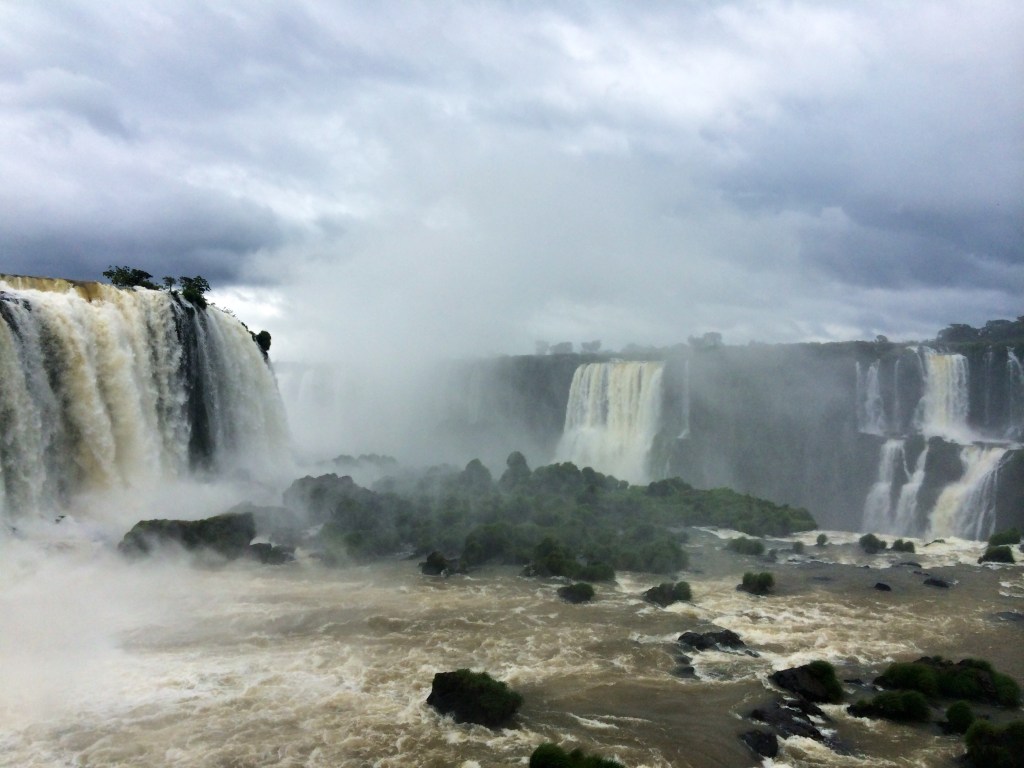
The drive to Foz de Iguacu takes about 40 minutes. The Brazilian side of the falls offers a totally different viewpoint to Argentina, providing an overall vista of their full majesty. A 11⁄2 km paved walkway leads along a cliff to the rim of a waterfall that looks into the spectacular Garganta del Diablo. There is an elevator which takes visitors to the top, a small shop and snack bar. After the tour, we took a transfer to the airport in Foz do Iguaçú (another 40 mins) and had a late flight to Salvador do Bahia in North Brazil. Took a taxi to our hotel.
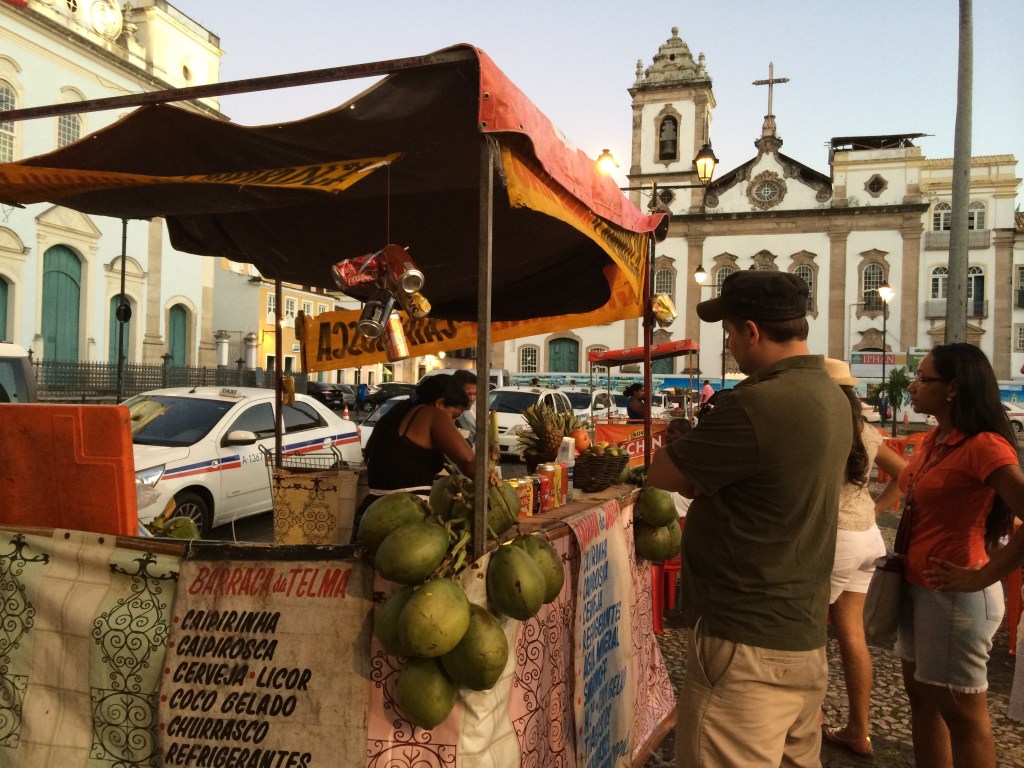
Day 7 – Salvador do Bahia – we explored independently and fell in love with this less touristy part of Brazil. Salvador da Bahía is one of Brazil’s most historical and cultural cities with a strong African influence. The most vibrant and interesting district is Pelourinho in the upper part of the city, Cidade Alta, which for pedestrians is linked to the lower city, or Cidade Baixa, by art deco funicular elevators. We went to the Lower City (Cidade Baixa) and the Itapagipe Peninsula, visiting the Igreja de Bomfim (closed on Mondays). This church is a magnet for pilgrims, and the tradition is that children gift you a ‘good-luck’ cotton wristband and in return, you respond with a ‘gift’ of money. On the shoreline, fishermen cast their nets from dugout canoes, and schooners anchor offshore. There is a panoramic view of the city from Montserrat and ended at the Mercado Modelo – formerly a slave market, but nowadays a handicraft centre.
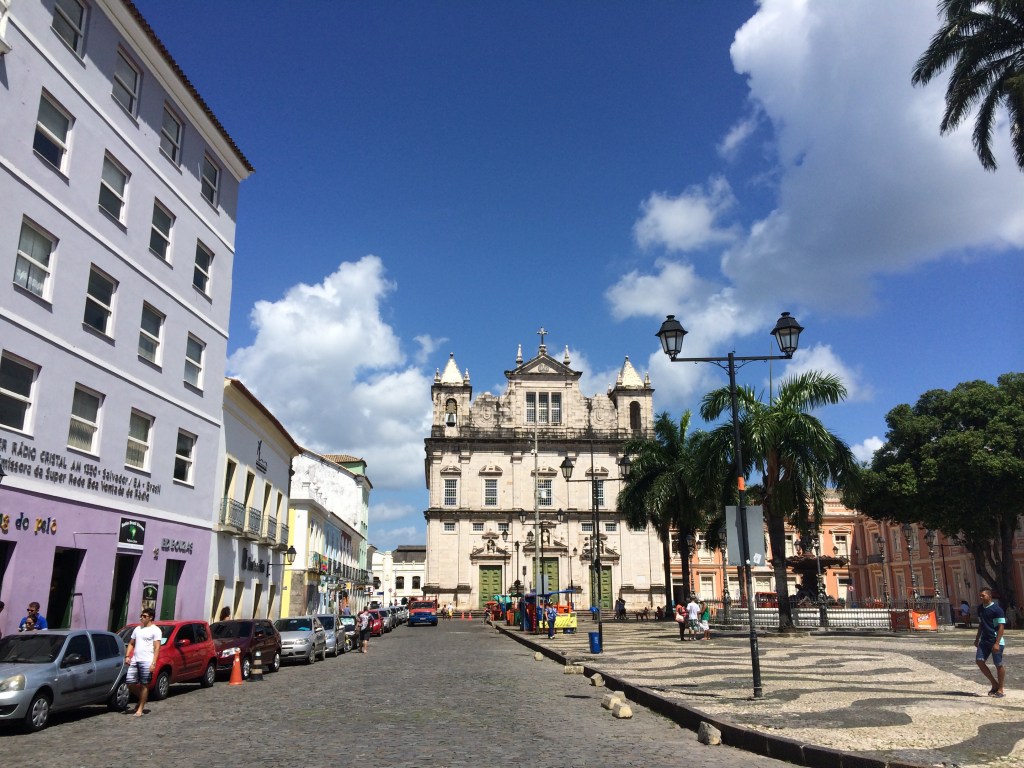
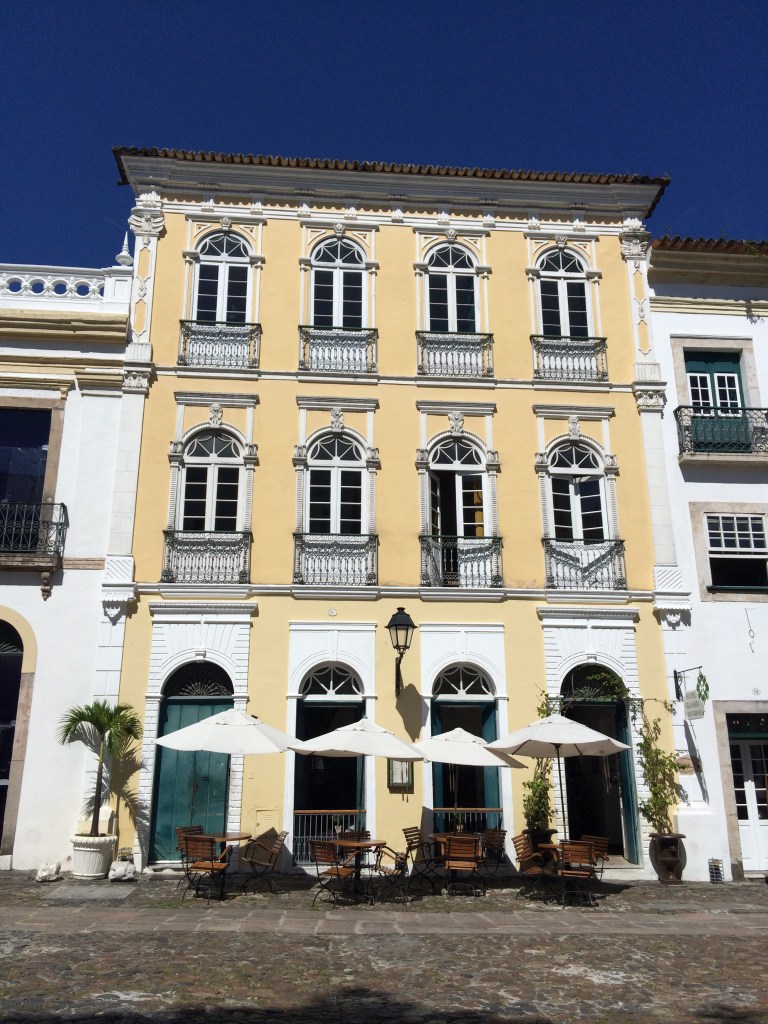
We stayed at Hotel Villa Bahia, easily our favourite accommodation on this trip. This hotel – a refurbishment of two adjoining colonial era residences – is well located in the heart of the evocative central historical district, Pelourinho. The communal top floor sun terrace has two Jacuzzis for guest use, as well as a sauna and steam room. There is also a restaurant serving Bahian cuisine, and a small ground floor swimming pool in a leafy patio. Furniture is predominantly antique, in keeping with the owner’s attempts to evoke the colonial era. It is a lovely place to spend a couple of nights and they serve some great food too.
Day 8 – We took.a transfer from Salvador do Bahia to Praia do Forte. Easily accessible from Salvador (85km away), Praia do Forte has some of the most beautiful palm-fringed beaches in the north east Brazil and is a favourite of local families. It has a laid-back feel, although it can get busy at weekends and holidays. The coastline is now part of a national preservation programme which helps protect sea turtles which lay eggs along the beach.
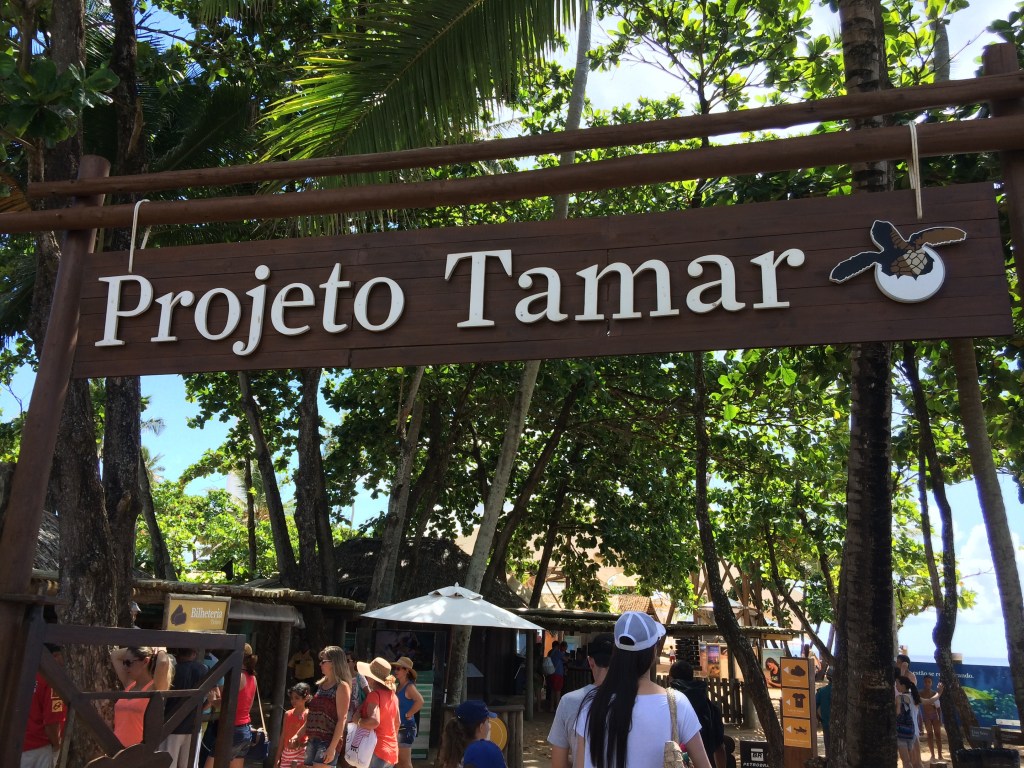
Day 9 – Praia do Forte – we spent some time at the beach and exploring the local turtle conservation centre – Projecto Tamar.We stayed at Pousada Ogum Marinho, a locally- owned simple hotel that perfectly fit the laid back feel of the place. It was really easy to walk around to the centre of this resort town and the beach .
On Day 10 – We took a private transfer from Praia do Forte to Salvador airport and flew to Rio de Janeiro. Rio needs no introduction. Seven million people live, work and play in this tropical city at the ocean’s edge. The beaches are legendary, and the views over the city from Sugarloaf Mountain and Christ the Redeemer statue are world-renowned. But other highlights abound – the serene botanical gardens, the artists’ colonial quarter of Santa Teresa, downtown museums and art galleries, and the stupendous Niteroi Bridge over Guanabara Bay.
We arrived at our hotel in the afternoon. We stayed at Windsor Copa Hotel, a good value for money in an expensive city like Rio. It is located in the heart of Copacabana, one block from Copacabana’s waterfront. There’s a good choice of other restaurants and entertainment within a short stroll of the hotel. It is a very good base to explore the city although it lacks the impressive beach views of the waterfront hotels.
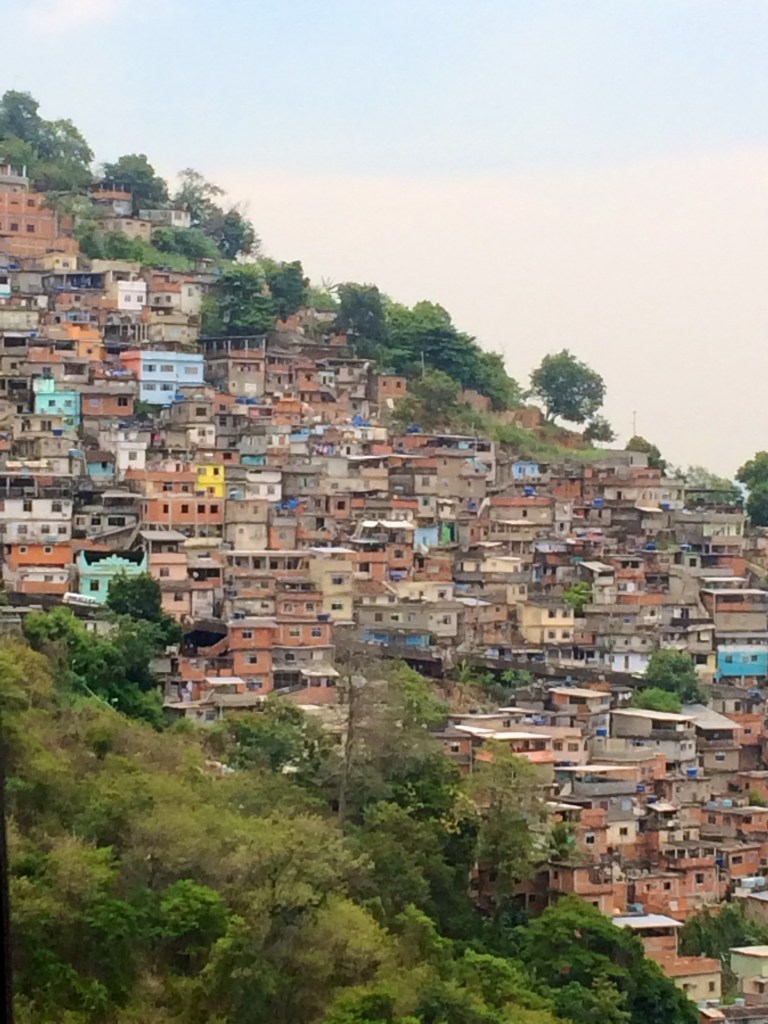
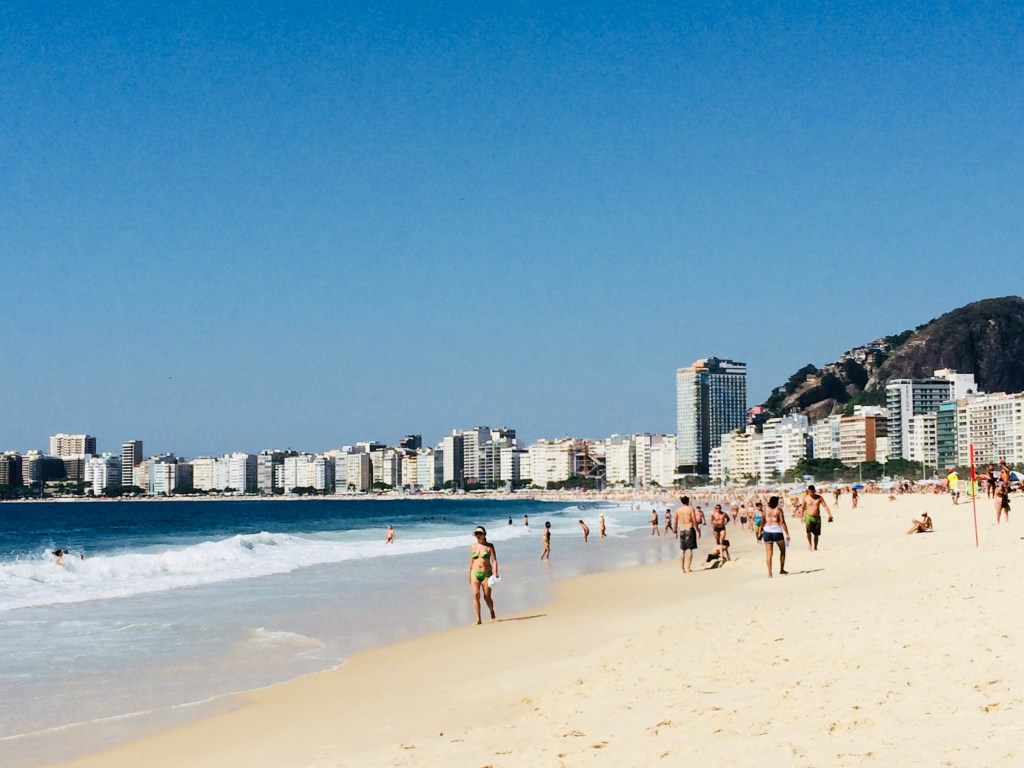
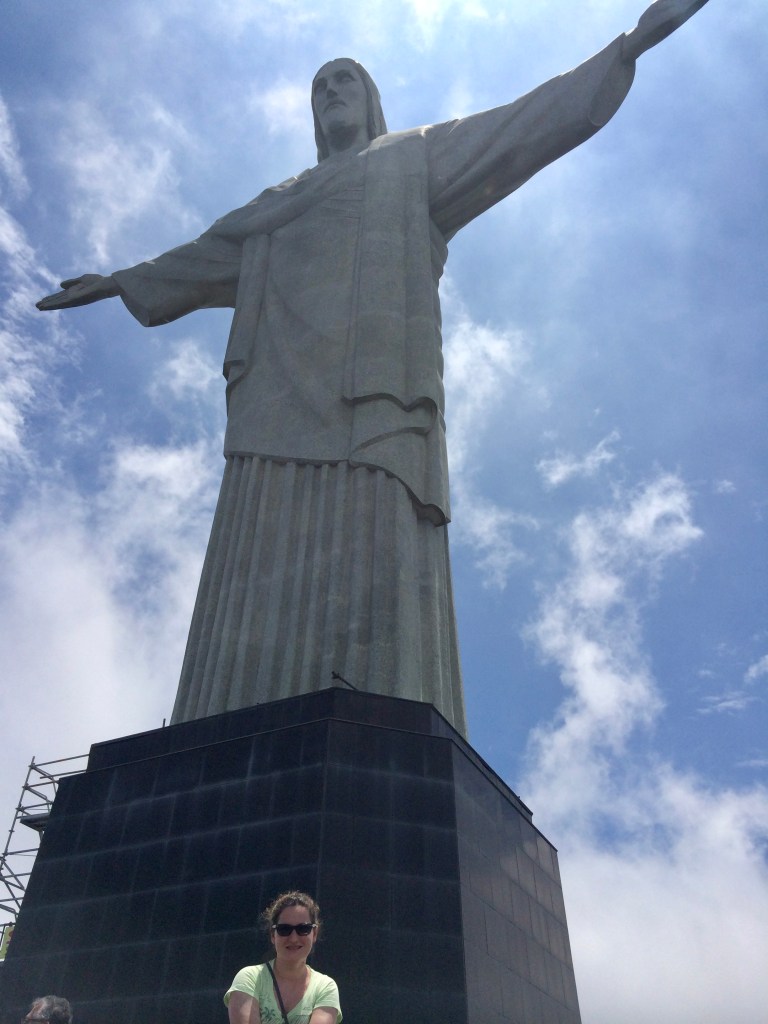
Day 11 and day 12 we explored Rio’s attractions like Sugarloaf Mountain and Christ the Redeemer. We also took a walk along the waterfront till from Copacabana to Ipanema beach and enjoyed the beach culture of Rio. Spending half a day lazing on Copacabana beach with the street vendors bringing snacks and drinks, is an essential Rio experience. We had dinner one one of the nights at Alfaia Restaurant on Rua Inhanga 30 and can warmly recommend them.
Day 13 – we had a transfer to Angra Dos Reis from where the boats leave to Ilha Grande. It is a scenic 2 1⁄2-hour drive along the coast. and another 1h 30 catamaran to the lush, tropical island of Ilha Grande. Although it can take the best part of the day to reach Ilha Grande we do feel that it’s worth the effort for a taste of an unspoilt paradise!
lha Grande is an island with almost no roads, mountainous (over 1,000m high) jungle, superb beaches. The island’s development has been limited, and it retains much of its native charm. Crystal clear green waters lap at palm-fringed beaches on the north side, whilst sweeping white sand beaches and rougher seas characterise the south. The main, laid-back village of Abraão offers modest tourist facilities. It is the perfect place to feel away from it all. We stayed at Pousada do Canto, a small guesthouse located on the beach, 10 min or so from the village.
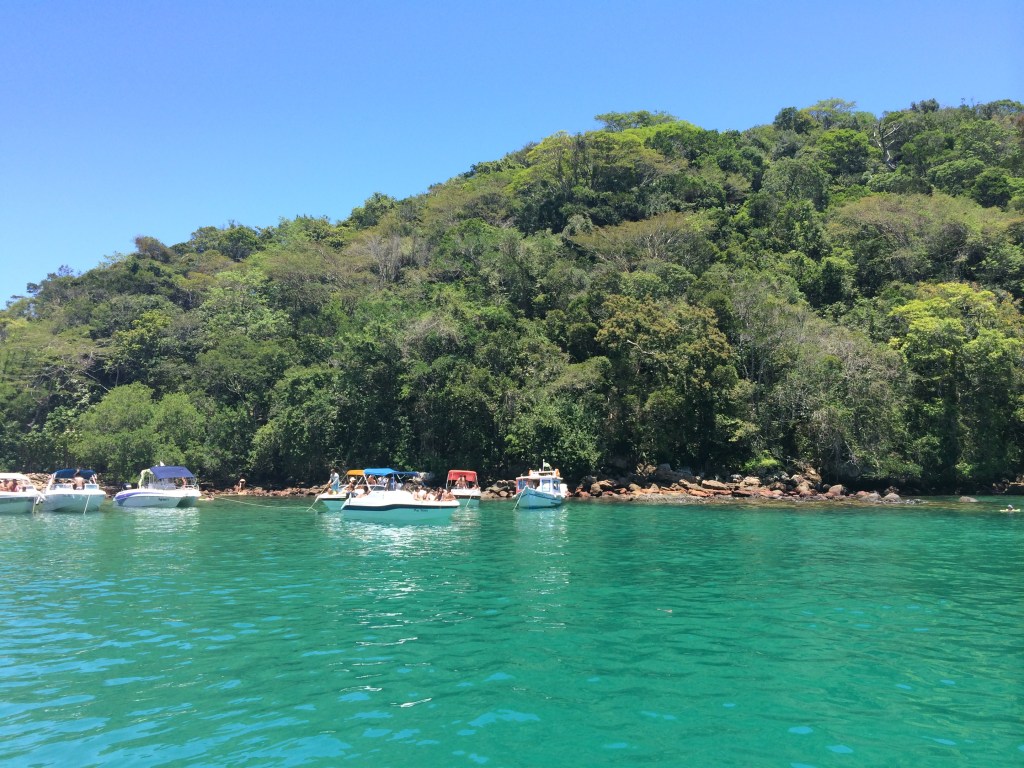
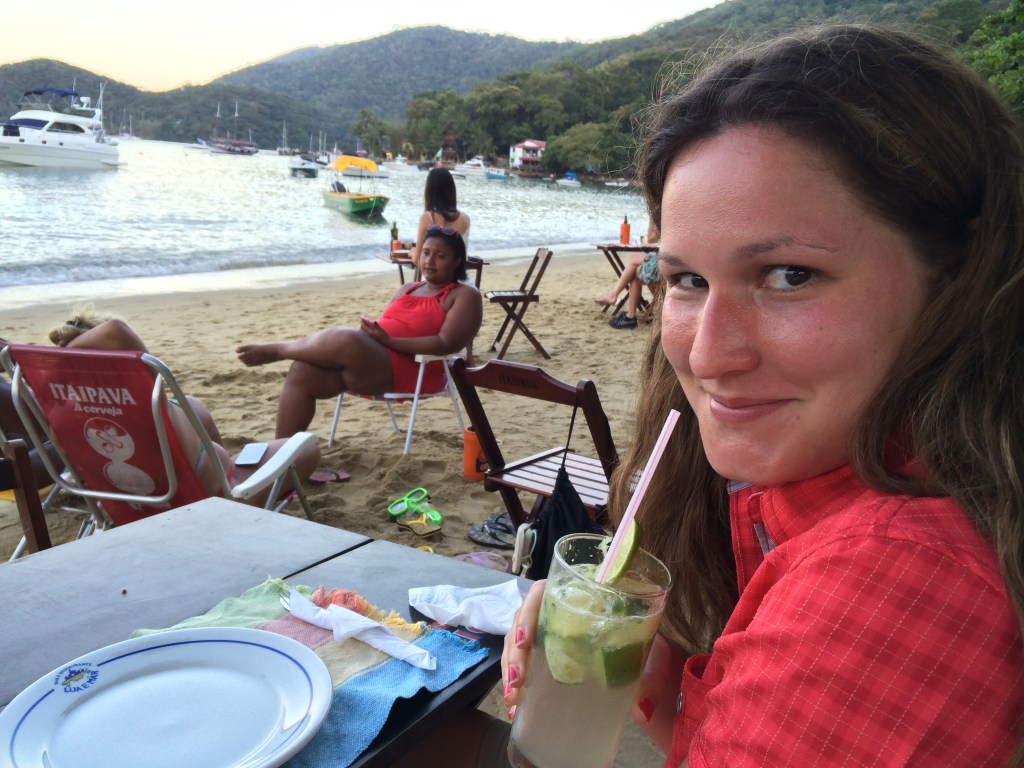
Day 14-15 Relaxing in Paradise. We spent 3 nights on the island. There are a few boat tours you can take and snorkelling trips can be booked in the small village. But the main activity here is relaxing on the beach at one of the many beach bars and snorkelling directly from the beach.
Day 16 – transfer to Parati. First by ferry to the mainland and then by shared transfer, it took us a bit more than 3 h to reach the village of Parati where we spent 3 nights.
Paratí is a picturesque and colourful fishing port located at the foot of the rugged, verdant hills of the costa verde. Its setting is delightful, between lush mata atlântica cloud forest and the warm waters of Ilha Grande Bay. The pedestrian-only historic core is composed of typical whitewashed Portuguese colonial architecture lining flagstone-cobbled lanes and squares. The centre is protected by UNESCO heritage status. Alongside chic boutiques are a number of excellent restaurants, many of which serve delicious fresh seafood in generous proportions. The bay is peppered with rocky tropical islands draped in tropical vegetation and fringed with tiny beaches, which can be visited by schooner.
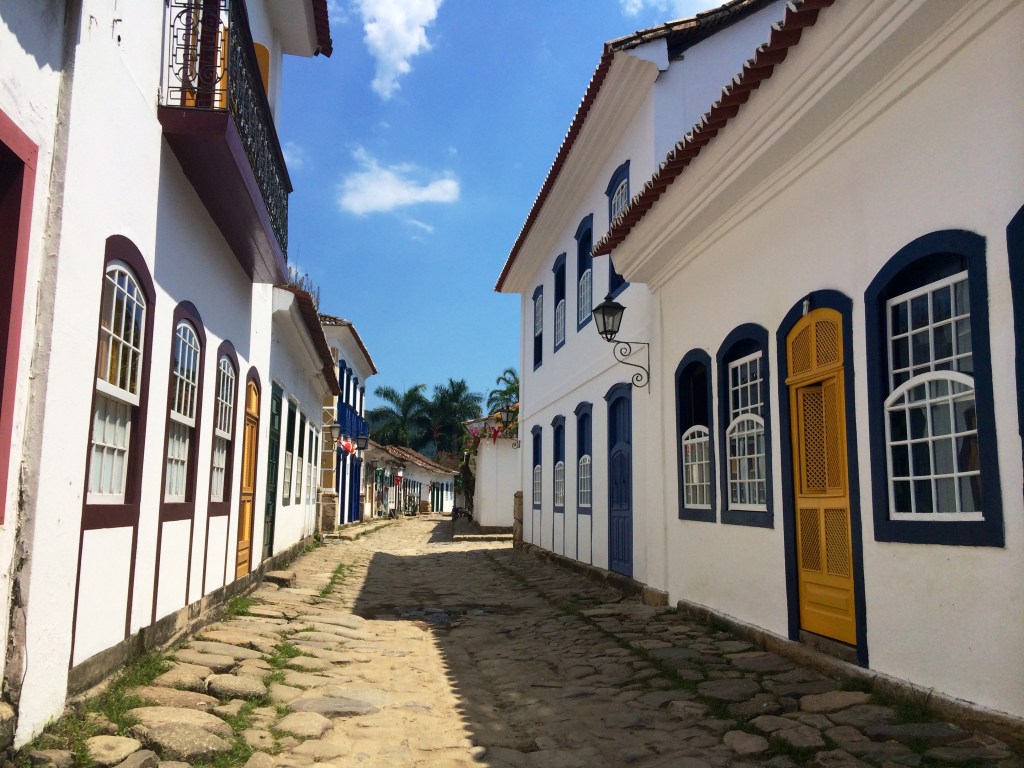
Our second favourite accommodation from this trip was in Parati, the Pousada da Marquesa. Located in the town’s cobbled historical centre, this 18th century former mansion is full of Old World character, with antiques, old paintings and colonial-style furnishings. There is also a charming courtyard enclosing a garden, bar, breakfast lounge and swimming pool. A beautiful place to retreat after sightseeing through Parati.
Day 17-18 We explored Parati and relaxed before our return to Europe. I found a great massage place and spa -Shambala iSpa. I really recommend trying them out. It is probably the best massage I had in Latin America. We recommend eating at Banana da Terra, our best meal in Paraty.
Day 19 – we got a transfer from Parati to Sao Paolo, that takes about 3h30. We arrived in the afternoon at our hotel closer to the airport. We flew back to Europe the next day in the morning. If your itinerary allows for more flexibility, a couple of nights in Sao Paolo would be the perfect ending to a whirlwind tour of Brazil.
As mentioned, for this tour we used an agent due to the many places we wanted to cover in a short period of time. The name of the company is Journey Latin America and they are based in the UK. We had a great experience with them and if you are looking for operator to help out with the organisation, they come highly recommended.
This was our first time in Latin America and we loved the vibes of its cities, the lovely nature and wonderful beaches. We loved it so much, we returned to explore more in 2018. You can read about it here.
Safe travels! CGK










 Travel Tales and Teddy Bears